
প্রায়শই জিজ্ঞাসিত প্রশ্নাবলী
আমাদের পণ্য, কার্যক্রম এবং রক্ষণাবেক্ষণ সম্পর্কে বিশেষজ্ঞের উত্তর দ্রুত খুঁজে পান।.
আমরা আপনাকে সবচেয়ে আরামদায়ক বিক্রয়-पूर्व, বিক্রয় এবং বিক্রয়োত্তর সেবা প্রদান করব।.
হেডেন কোম্পানি সার্ভিস প্রক্রিয়া প্রায়শই জিজ্ঞাসিত প্রশ্নাবলী
আপনি আমাদের অনলাইন গ্রাহক সেবায় যোগাযোগ করতে পারেন, আমাদের জাতীয় সার্ভিস হটলাইনে কল করতে পারেন, অথবা আমাদের ওয়েবসাইটে আপনার অনুরোধ ফর্ম জমা দিতে পারেন। আমরা যত দ্রুত সম্ভব আপনার জন্য একজন পেশাদার বিক্রয় প্রকৌশলী নিয়োগ করব।.
A: আপনাকে সবচেয়ে কার্যকর পরামর্শ দিতে, অনুগ্রহ করে নিম্নলিখিত তথ্য প্রদান করুন: আপনি যে ধরনের উপাদান প্রক্রিয়া করতে চান (যেমন কার্বন স্টীল, স্টেইনলেস স্টীল), উপাদানের পুরুত্বের পরিসীমা, আপনি সাধারণত যে কাজের টুকরোর আকার প্রক্রিয়া করেন, প্রত্যাশিত উৎপাদন দক্ষতা এবং আপনার আনুমানিক বাজেট।.
A: আমাদের সেলস ইঞ্জিনিয়াররা শুধুমাত্র বিক্রয়কর্মী নন, বরং আপনার প্রযুক্তিগত পরামর্শদাতাও। তারা আপনার উৎপাদনের সমস্যাগুলো গভীরভাবে বুঝবে এবং আপনাকে পেশাদার যন্ত্রপাতি নির্বাচন সংক্রান্ত সুপারিশ, বিস্তারিত প্রযুক্তিগত সমাধান, ইনপুট-আউটপুট অনুপাত বিশ্লেষণ, এবং কর্মশালার বিন্যাস পরিকল্পনা সংক্রান্ত পরামর্শ প্রদান করবে।.
অবশ্যই। HADEN-এর একটি শক্তিশালী গবেষণা ও উন্নয়ন দল রয়েছে। আমরা আপনার নির্দিষ্ট প্রক্রিয়ার চাহিদা অনুযায়ী সরঞ্জামের ওয়ার্কবেঞ্চের আকার, চলাচল, স্বয়ংক্রিয়তার বিন্যাস এবং অন্যান্য দিকগুলো কাস্টমাইজ করতে পারি।.
A: আমরা আপনাকে আমাদের কাছে আসার জন্য স্বাগত জানাই! আপনি যে কোনো সময় আপনার সেলস ইঞ্জিনিয়ারের সাথে অ্যাপয়েন্টমেন্ট করতে পারেন, এবং আমরা আপনার জন্য একজনকে ব্যবস্থা করব যিনি আপনাকে আমাদের উৎপাদন কর্মশালা, প্রযুক্তি কেন্দ্র এবং সরঞ্জাম শোরুম পরিদর্শন করাবেন, যাতে আপনি সরাসরি আমাদের উৎপাদন সক্ষমতা অনুভব করতে পারেন।.
A: আমাদের মূল সুবিধাগুলো হলো: 1) স্থিতিশীল কর্মক্ষমতা নিশ্চিত করতে মূল প্রযুক্তিগুলোর স্বাধীন নিয়ন্ত্রণ; 2) সরঞ্জামের দীর্ঘমেয়াদী নির্ভরযোগ্যতা নিশ্চিত করতে আন্তর্জাতিক প্রথম সারির ব্র্যান্ড থেকে মূল উপাদান নির্বাচন; 3) সম্পূর্ণ এবং দ্রুত সাড়া দেওয়া বিক্রয়োত্তর সেবা নেটওয়ার্ক; 4) গ্রাহকদের শুধুমাত্র একটি ডিভাইস নয়, বরং সম্পূর্ণ জীবনচক্র সমাধান প্রদান।.
A: আমাদের স্ট্যান্ডার্ড কোটেশনে সব আইটেম স্পষ্টভাবে তালিকাভুক্ত থাকে, সাধারণত এতে অন্তর্ভুক্ত থাকে: মেশিন, স্ট্যান্ডার্ড আনুষাঙ্গিক, এক সেট মোল্ড/ব্লেড, সিএনসি সিস্টেম, শিপিং খরচ, ইনস্টলেশন ও কমিশনিং ফি, এবং প্রাথমিক অপারেটর প্রশিক্ষণ। কোনো লুকানো ফি নেই।.
A: স্ট্যান্ডার্ড মডেলগুলির জন্য, আমাদের বিক্রয় প্রকৌশলীরা সাধারণত আপনার সাথে সম্পূর্ণ যোগাযোগের পর ২৪ ঘন্টার মধ্যে একটি সম্পূর্ণ প্রযুক্তিগত সমাধান এবং আনুষ্ঠানিক কোটেশন প্রদান করতে পারেন।.
A: আমরা দেশজুড়ে প্রধান শিল্পনগরীগুলোতে সরাসরি অফিস বা অনুমোদিত সার্ভিস সেন্টার পরিচালনা করি, যাতে আমরা আপনাকে স্থানীয় ও সময়োপযোগী বিক্রয়-पूर्व পরামর্শ এবং বিক্রয়োত্তর সেবা প্রদান করতে পারি।.
A: হ্যাঁ, আমাদের গ্রাহকদের সম্মতিতে, আমরা আপনার শিল্পের সাথে সম্পর্কিত সাফল্যের গল্পগুলো আপনার সাথে ভাগ করতে পেরে আনন্দিত এবং এমনকি আপনাকে আমাদের পুরনো গ্রাহকদের কারখানা পরিদর্শনের ব্যবস্থাও করতে পারি।.
অবশ্যই। আমরা বিনামূল্যে প্রুফিং সেবা প্রদান করি। শুধু আপনার অঙ্কন এবং প্রচলিত উপকরণগুলো পাঠান, আমাদের অ্যাপ্লিকেশন ইঞ্জিনিয়াররা আপনার জন্য প্রুফ তৈরি করে নমুনা এবং একটি সম্পূর্ণ প্রক্রিয়া প্রতিবেদন ফেরত পাঠাবে।.
A: হ্যাঁ, স্ট্যান্ডার্ড উপকরণ ও আকারের সীমার মধ্যে প্রুফিং সম্পূর্ণ বিনামূল্যে। অপ্রচলিত বা দামী উপকরণের ক্ষেত্রে আমরা আমাদের বিবেচনায় উপকরণ খরচ ফি ধার্য করতে পারি।.
A: আপনার উপকরণ ও অঙ্কনপত্র পাওয়ার পর আমরা সাধারণত ৩–৫ কর্মদিবসের মধ্যে সংশোধন সম্পন্ন করে পাঠিয়ে দিই।.
A: আপনি একটি বিস্তারিত প্রুফিং রিপোর্ট পাবেন, যাতে ব্যবহৃত সরঞ্জাম মডেল, মূল প্রক্রিয়া পরামিতি (যেমন কাটার গতি, বাঁকানোর চাপ), প্রতি ইউনিট প্রক্রিয়াকরণের আনুমানিক সময় ইত্যাদি অন্তর্ভুক্ত থাকবে। এই তথ্যগুলো আপনার উৎপাদন দক্ষতা মূল্যায়নের জন্য অত্যন্ত মূল্যবান।.
A: আপনাকে স্বাগতম! আমরা গ্রাহকদের সরাসরি আমাদের কাছে আসার জন্য উৎসাহিত করি। আপনি আমাদের ইঞ্জিনিয়ারদের সাথে সরাসরি যোগাযোগ করে যন্ত্রের কর্মক্ষমতা এবং পরিচালনার পদ্ধতি সম্পর্কে আরও স্বজ্ঞাত ধারণা পেতে পারেন।.
A: আমাদের স্ট্যান্ডার্ড পেমেন্ট পদ্ধতি হলো “আগাম 30%, ডেলিভারির আগে 60% এবং যোগ্য ইনস্টলেশন ও কমিশনিংয়ের পর 10% ব্যালেন্স।” আমরা আপনার নির্দিষ্ট পরিস্থিতির ভিত্তিতে নমনীয় পেমেন্ট প্ল্যান নিয়েও আলোচনা করতে পারি।.
A: আমাদের বিক্রয় চুক্তিগুলি মানসম্মত, যাতে সরঞ্জাম মডেল, প্রযুক্তিগত পরামিতি, কনফিগারেশন তালিকা, মূল্য, সরবরাহ সময়, পরিবহন পদ্ধতি, ইনস্টলেশন ও কমিশনিং মানদণ্ড, প্রশিক্ষণ বিষয়বস্তু, ওয়ারেন্টি শর্তাবলী এবং উভয় পক্ষের অধিকার ও বাধ্যবাধকতা বিস্তারিতভাবে উল্লেখ থাকবে।.
A: স্ট্যান্ডার্ড সরঞ্জামের জন্য আমাদের সাধারণ সরবরাহ সময় ২০ কর্মদিবস। কাস্টমাইজড সরঞ্জাম বা স্বয়ংক্রিয় উৎপাদন লাইনের জন্য সরবরাহের সময় প্রযুক্তিগত প্রস্তাবের ভিত্তিতে চুক্তিতে নির্ধারিত হবে।.
A: আমাদের কোটেশনে সাধারণত 13% ভ্যাট অন্তর্ভুক্ত থাকে। শিপিং খরচের ক্ষেত্রে, আমরা নির্দিষ্ট করব যে সেগুলো আমরা আপনার কারখানায় বহন করব নাকি চুক্তির অনুযায়ী অন্য কোনো পদ্ধতি ব্যবহার করব।.
A: হ্যাঁ। আমাদের অনেক আর্থিক প্রতিষ্ঠানের সাথে অংশীদারিত্ব রয়েছে এবং আমরা নির্ভরযোগ্য অর্থায়ন ও লিজিং সমাধান সুপারিশ করতে পারি এবং প্রাসঙ্গিক প্রযুক্তিগত নথিপত্র প্রস্তুত করতে আপনাকে সহায়তা করতে পারি।.
আমরা একটি পেশাদার লজিস্টিকস কোম্পানিকে দায়িত্ব দেব, যার বড় যন্ত্রপাতি পরিবহনের অভিজ্ঞতা রয়েছে, যাতে তারা একটি নিবেদিত যানবাহন ব্যবহার করে যন্ত্রপাতি সরাসরি HADEN কারখানা থেকে আপনার নির্ধারিত স্থানে পৌঁছে দেয় এবং যন্ত্রপাতির জন্য পূর্ণ পরিবহন বীমা ক্রয় করে।.
চুক্তিতে স্বাক্ষর করার পর আমরা আপনাকে একটি বিস্তারিত সাইট প্রস্তুতি নির্দেশিকা প্রদান করব, যাতে সরঞ্জামের ভিত্তি চিত্র, বিদ্যুৎ চাহিদা, গ্যাস উৎস চাহিদা (প্রয়োজনীয় হলে) এবং আনলোডিং ও অবস্থান নির্ধারণের জন্য প্রয়োজনীয় স্থান অন্তর্ভুক্ত থাকবে।.
সাধারণত আপনাকে আনলোডিংয়ের ব্যবস্থা (যেমন ক্রেন বা ফর্কলিফট) করতে হয়, তবে আমাদের বিক্রয়োত্তর প্রকৌশলীরা আগেই সাইটে পৌঁছে আপনার কর্মীদের বিনামূল্যে নিরাপদ ও সঠিকভাবে আনলোডিং ও অবস্থান নির্ধারণের কাজ সম্পন্ন করতে নির্দেশনা দেবেন।.
A: আমাদের প্রকৌশলীরা সাইটে সরঞ্জামটির স্তর সামঞ্জস্য, বৈদ্যুতিক সংযোগ, কার্যকারিতা পরীক্ষা, নির্ভুলতা ক্যালিব্রেশন এবং প্রথম পরীক্ষামূলক উৎপাদন করার দায়িত্বে থাকবেন, যাতে সরঞ্জামটি চুক্তিতে সম্মত প্রযুক্তিগত মান পূরণ করে।.
A: একটি একক স্ট্যান্ডার্ড ডিভাইসের ইনস্টলেশন এবং কমিশনিং সাধারণত [২-৩] কর্মদিবস সময় নেয়। একটি স্বয়ংক্রিয় উৎপাদন লাইনের জন্য প্রয়োজনীয় সময় সমাধানের জটিলতার উপর নির্ভর করে।.
A: আপনার প্রযুক্তিবিদদের সাথে একত্রে আমরা চুক্তির পরিশিষ্টে উল্লেখিত সরঞ্জাম গ্রহণ মানদণ্ড অনুযায়ী আইটেম-প্রতি আইটেম পরিদর্শন করব এবং আপনার কর্মখণ্ড ব্যবহার করে সাইটে গ্রহণ পরীক্ষা পরিচালনা করব। উভয় পক্ষই সবকিছু সঠিক বলে নিশ্চিত করার পর আমরা যৌথভাবে সরঞ্জাম গ্রহণ প্রতিবেদন স্বাক্ষর করব।.
A: প্রথম অন-সাইট প্রশিক্ষণ সম্পূর্ণ বিনামূল্যে। প্রশিক্ষণার্থীর সংখ্যায় আমাদের কোনো কঠোর সীমা নেই। আমরা পরামর্শ দিচ্ছি যে আপনি ২-৩ জন মূল অপারেশন ও রক্ষণাবেক্ষণ কর্মী অংশগ্রহণের ব্যবস্থা করুন।.
উত্তর: প্রশিক্ষণের বিষয়বস্তু অত্যন্ত ব্যাপক, যার মধ্যে রয়েছে: যন্ত্রপাতির মৌলিক গঠন ও কাজের নীতি, নিরাপদ পরিচালনার পদ্ধতি, সিএনসি সিস্টেমের প্রোগ্রামিং ও পরিচালনা, দৈনন্দিন রক্ষণাবেক্ষণ ও যত্ন, এবং সাধারণ ত্রুটির নির্ণয় ও সমাধান।.
আমাদের লক্ষ্য হল প্রশিক্ষণের পর আপনার কর্মচারীদের সরঞ্জামগুলো স্বতন্ত্রভাবে, নিরাপদে এবং দক্ষতার সঙ্গে উৎপাদনের জন্য পরিচালনা করতে সক্ষম করে তোলা এবং দৈনন্দিন রক্ষণাবেক্ষণ কাজের জন্য দক্ষ করে তোলা।.
A: হ্যাঁ। আমরা দ্বিতীয় অন-সাইট প্রশিক্ষণ সেবা প্রদান করতে পারি (ভ্রমণ খরচ প্রযোজ্য হতে পারে), অথবা আমরা নিয়মিতভাবে আমাদের সদর দফতরে বিনামূল্যে গ্রুপ প্রশিক্ষণ সেশন আয়োজন করি, যেখানে আপনি আপনার কর্মচারীদের অংশগ্রহণ করতে পাঠাতে পারেন।.
A: আমরা গ্রহণ করার তারিখ থেকে সমস্ত সরঞ্জামের জন্য [XX বছর] বিনামূল্যে ওয়ারেন্টি প্রদান করি। কিছু মূল উপাদান (যেমন লেজার এবং মেশিন টুল) এর জন্য ওয়ারেন্টি সময়কাল আরও দীর্ঘ।.
A: ওয়ারেন্টি সময়কালে, সরঞ্জামের নকশা, উৎপাদন বা উপকরণে ত্রুটির কারণে সৃষ্ট যেকোনো ব্যর্থতার জন্য আমরা বিনামূল্যে অতিরিক্ত যন্ত্রাংশ প্রতিস্থাপন এবং মেরামত সেবা প্রদান করব।.
A: ওয়ারেন্টিতে অন্তর্ভুক্ত নয় এমন আইটেমগুলো সাধারণত: ব্যবহারযোগ্য সামগ্রীর স্বাভাবিক পরিধান ও ক্ষয় (যেমন সুরক্ষামূলক লেন্স, ব্লেড এবং ছাঁচ), অপারেটিং পদ্ধতি অনুসরণ না করার কারণে সৃষ্ট মানবসৃষ্ট ক্ষতি, এবং ফোর্স ম্যাজিউর (যেমন প্রাকৃতিক দুর্যোগ) দ্বারা সৃষ্ট ক্ষতি।.
A: আপনাকে শুধু আমাদের ২৪-ঘণ্টা বিক্রয়োত্তর সেবা হটলাইনে কল করে আপনার কোম্পানির নাম, যন্ত্রপাতির মডেল এবং ত্রুটির লক্ষণ জানাতে হবে। আমাদের বিক্রয়োত্তর সেবা ব্যবস্থা অবিলম্বে আপনার জন্য একটি ফাইল তৈরি করবে এবং সেবা প্রক্রিয়া শুরু করবে।.
A: ওয়ারেন্টি চুক্তির অনুযায়ী, প্রতিস্থাপিত ত্রুটিপূর্ণ যন্ত্রাংশগুলো আমাদের প্রকৌশলীরা ফেরত আনবেন অথবা আপনাকে সেগুলো বিশ্লেষণের জন্য কোম্পানিতে পাঠাতে হবে।.
A: দ্রুততম উপায় হল আমাদের বিক্রয়োত্তর সেবা হটলাইনে কল করা। আমরা একটি ব্যাপক গ্রাহক সেবা কেন্দ্র প্রতিষ্ঠা করেছি যাতে আপনার প্রতিটি কল পেশাদারদের দ্বারা উত্তর দেওয়া এবং রেকর্ড করা হয়।.
A: আমরা “১-ঘণ্টার কল-প্রতিক্রিয়া” প্রতিশ্রুতি দিচ্ছি। এর অর্থ হলো আপনার কল পাওয়ার ১ ঘণ্টার মধ্যে একজন প্রযুক্তিগত প্রকৌশলী আপনাকে টেলিফোনে নির্ণয় করতে বা দূরবর্তী সহায়তা শুরু করতে যোগাযোগ করবেন।.
A: নেটওয়ার্ক ইন্টারফেস-সজ্জিত CNC সিস্টেমগুলির জন্য, আপনার সম্মতিতে, আমাদের প্রকৌশলীরা ইন্টারনেটের মাধ্যমে আপনার সরঞ্জামে দূর থেকে সংযোগ করে ত্রুটি নির্ণয়, প্যারামিটার পরিবর্তন এবং সফটওয়্যার আপডেট করতে পারেন, যা অত্যন্ত কার্যকর।.
A: যদি অন-সাইট সার্ভিস প্রয়োজনীয় বলে নিশ্চিত হয়, আমরা “২৪-ঘণ্টার সমাধান, ৪৮-ঘণ্টার মধ্যে ইঞ্জিনিয়ার সাইটে” নীতি অনুসরণ করে আপনার সমস্যা যত দ্রুত সম্ভব সমাধান করব।.
A: ওয়ারেন্টি সময়ের পর আমরা শুধুমাত্র খরচই চার্জ করি, যার মধ্যে যন্ত্রাংশের খরচ এবং ইঞ্জিনিয়ারের ভ্রমণ ও শ্রম খরচ অন্তর্ভুক্ত। আমরা আপনাকে একটি স্পষ্ট কোটেশন প্রদান করব এবং আপনার নিশ্চিতকরণের পরেই মেরামতের কাজ শুরু করব।.
A: হ্যাঁ, আমরা প্রতিশ্রুতি দিচ্ছি যে আমরা বিক্রি করা প্রতিটি ডিভাইসের জন্য আজীবন প্রযুক্তিগত পরামর্শ ও সহায়তা সেবা প্রদান করব। যখনই আপনার আমাদের প্রয়োজন হবে, আমরা এখানে আছি।.
A: সাধারণ ত্রুটির ক্ষেত্রে, আমরা আপনাকে ফোনে আমাদের ইঞ্জিনিয়ারদের নির্দেশনায় সমস্যা সমাধান করতে উৎসাহিত করি। তবে কোর উপাদান বা জটিল সার্কিট সংক্রান্ত সমস্যার ক্ষেত্রে, সমস্যাটি আরও জটিল হওয়া থেকে রোধ করতে আমরা আমাদের পেশাদারদের দ্বারা সেগুলো পরিচালনা করার পরামর্শ দিই।.
আপনি বিক্রয়োত্তর সেবা হটলাইনের মাধ্যমে অর্ডার দিতে পারেন অথবা সরাসরি আপনার একচেটিয়া বিক্রয়োত্তর সেবা গ্রাহক সেবা কেন্দ্রে যোগাযোগ করতে পারেন।.
A: আপনি যন্ত্রটির ব্যবহারকারী ম্যানুয়াল বা বৈদ্যুতিক/হাইড্রোলিক ডায়াগ্রামে স্পেয়ার পার্টসের তথ্য খুঁজে দেখতে পারেন, অথবা যন্ত্রটির নেমপ্লেটে থাকা ফ্যাক্টরি নম্বরটি প্রদান করতে পারেন। আমাদের স্পেয়ার পার্টস বিশেষজ্ঞরা আপনাকে সঠিকভাবে মিলিয়ে দেবে।.
A: আমাদের সদর দফতরে একটি বৃহৎ কেন্দ্রীয় যন্ত্রাংশ গুদাম রয়েছে এবং সাধারণ যন্ত্রাংশ ও পরিধানযোগ্য যন্ত্রাংশের পর্যাপ্ত নিরাপত্তা মজুদ বজায় রাখি, যাতে আমরা আপনার চাহিদার প্রতি দ্রুত সাড়া দিতে পারি।.
অর্ডার নিশ্চিত হওয়ার পর আমরা ২৪ ঘণ্টার মধ্যে এক্সপ্রেসের মাধ্যমে স্ট্যান্ডার্ড স্পেয়ার পার্টস পাঠাব।.
A: আমরা দৃঢ়ভাবে পরামর্শ দিচ্ছি যে আপনি আসল যন্ত্রাংশ ব্যবহার করুন। নকল যন্ত্রাংশের আকার ও কর্মক্ষমতায় পার্থক্য থাকতে পারে। এগুলো ব্যবহার করলে ডিভাইসের সঠিকতা প্রভাবিত হতে পারে, ডিভাইসের আয়ু কমে যেতে পারে, এমনকি নিরাপত্তা ঝুঁকি তৈরি হতে পারে এবং আপনার ওয়ারেন্টি অধিকারও প্রভাবিত হতে পারে।.
A: আমরা যন্ত্রাংশের জন্য স্বচ্ছ ও একীভূত মূল্য নির্ধারণ নীতি বাস্তবায়ন করি। আমরা দীর্ঘমেয়াদী গ্রাহকদের ছাড়ও দিই।.
A: হ্যাঁ। আমরা আপনাকে বিভিন্ন ধরনের প্রযুক্তিগত রূপান্তর সেবা প্রদান করতে পারি, যেমন CNC সিস্টেম আপগ্রেড, অটোমেশন ইউনিট সংযোজন এবং নিরাপত্তা সুরক্ষা ইনস্টল, যাতে আপনার পুরনো যন্ত্রপাতি পুনরুজ্জীবিত ও সজীব করা যায়।.
হ্যাঁ, আমাদের গ্রাহকসেবা বিভাগ নিয়মিত আপনাকে কল বা পরিদর্শন করবে আপনার যন্ত্রপাতির ব্যবহার বোঝার জন্য, আপনার মতামত ও পরামর্শ সংগ্রহ করার জন্য, এবং সক্রিয়ভাবে আপনাকে যন্ত্রপাতি রক্ষণাবেক্ষণ করার কথা স্মরণ করিয়ে দেবে।.
A: আমরা গ্রাহকের প্রতিক্রিয়া খুবই গুরুত্বের সাথে নিই। যদি আমাদের সেবার কোনো দিক নিয়ে আপনি অসন্তুষ্ট হন, তাহলে সরাসরি আমাদের সার্ভিস সুপারভিশন হটলাইনে কল করুন, এবং আমরা আপনার সন্তুষ্টি না হওয়া পর্যন্ত কেউ না কেউ বিষয়টি অনুসরণ করবে।.
A: হ্যাঁ। আমরা সময়ে সময়ে নতুন পণ্য উন্মোচন অনুষ্ঠান এবং শিল্পে প্রয়োগ প্রযুক্তি সেমিনার আয়োজন করব, আমাদের গ্রাহকদের আমন্ত্রণ জানাবো যাতে তারা অত্যাধুনিক প্রযুক্তি নিয়ে আলোচনা করতে এবং সফল অভিজ্ঞতা ভাগাভাগি করতে পারে।.
A: ওয়ারেন্টি সময়কালে, যদি ডিভাইস নিয়ন্ত্রণ সফটওয়্যারে গুরুত্বপূর্ণ কার্যকারিতা আপডেট বা অপ্টিমাইজেশন থাকে, আমরা বিনামূল্যে আপগ্রেড সেবা প্রদান করি।.
A: আমরা আপনাকে স্বাগত জানাই! যদি আপনি আমাদের পণ্য ও সেবায় সন্তুষ্ট হন এবং সফলভাবে নতুন গ্রাহক রেফার করেন, আমরা আপনাকে উদার রেফারেল পুরস্কার প্রদান করব।.
সঠিক পরিচালনা এবং নিয়মিত রক্ষণাবেক্ষণের শর্তে, HADEN শিল্প সরঞ্জামের নকশাগত সেবা জীবন সাধারণত ১০ বছরেরও বেশি।.
A: আমরা আপনাকে নতুন সরঞ্জামের জন্য ট্রেড-ইন (প্রতিস্থাপন) সেবা প্রদান করতে পারি, যা আপনার পুরনো সরঞ্জাম সম্পদের মূল্য সর্বাধিক করতে সাহায্য করে।.
A: হ্যাঁ। ওয়ারেন্টি শেষ হয়ে যাওয়া সরঞ্জামের জন্য, আপনি আমাদের সাথে একটি বার্ষিক রক্ষণাবেক্ষণ চুক্তি স্বাক্ষর করতে পারেন। আমাদের প্রকৌশলীরা নিয়মিতভাবে আপনার সরঞ্জাম পরিদর্শন করে ব্যাপক পরীক্ষা-নিরীক্ষা এবং প্রতিরোধমূলক রক্ষণাবেক্ষণ করবেন।.
আপনি আমাদের অফিসিয়াল ওয়েবসাইট এবং উইচ্যাট পাবলিক অ্যাকাউন্ট অনুসরণ করতে পারেন। আমরা নিয়মিতভাবে সর্বশেষ পণ্য তথ্য, প্রযুক্তিগত নিবন্ধ এবং কোম্পানির আপডেট প্রকাশ করব।.
A: আমরা যে মাধ্যমিক প্রশিক্ষণ সেবা প্রদান করি তার পাশাপাশি আমরা একটি অনলাইন প্রশিক্ষণ প্ল্যাটফর্মও তৈরি করছি। ভবিষ্যতে আপনার কর্মীরা ভিডিও টিউটোরিয়াল দেখে যে কোনো সময় এবং যে কোনো স্থানে শিখতে পারবে।.
A: সবচেয়ে বড় মূল্য নির্ভরযোগ্য, দীর্ঘমেয়াদী অংশীদার নির্বাচন করার মধ্যে নিহিত। আপনি শুধুমাত্র একটি উচ্চ-ক্ষমতাসম্পন্ন ডিভাইসই নয়, বরং বিক্রয়-पूर्व পরিকল্পনা থেকে আজীবন রক্ষণাবেক্ষণ পর্যন্ত সম্পূর্ণ, ঝামেলামুক্ত পেশাদার সেবা ব্যবস্থাও পাবেন।.
যান্ত্রিক পণ্যসমূহের প্রায়শই জিজ্ঞাসিত প্রশ্নাবলী
এ: এটি নির্ভর করে নামমাত্র চাপ (টনেজ) এবং বাঁকানোর দৈর্ঘ্যের উপর। টনেজ নির্ধারণ করে আপনি কত পুরু শীট বাঁকাতে পারবেন, আর বাঁকানোর দৈর্ঘ্য নির্ধারণ করে আপনি কত চওড়া কর্মখণ্ড প্রক্রিয়া করতে পারবেন।.
A: আপনি একটি সরলীকৃত সূত্র ব্যবহার করে অনুমান করতে পারেন: টননেজ ≈ [৮ × প্লেট পুরুত্ব (মিমি) × প্লেট পুরুত্ব (মিমি) × বাঁক দৈর্ঘ্য (মি.)] / ভি-নেক প্রস্থ (মিমি)। ভি-নেক প্রস্থ সাধারণত প্লেট পুরুত্বের ৮ গুণ হয়ে থাকে। সঠিকতা নিশ্চিত করতে, আমরা দৃঢ়ভাবে পরামর্শ দিচ্ছি যে আপনি একজন HADEN বিক্রয় ইঞ্জিনিয়ারের সাথে যোগাযোগ করুন, যিনি পেশাদার হিসাবনিকাশ সফটওয়্যার ব্যবহার করে আপনার জন্য সঠিক মডেল নির্বাচন করবেন।.
A: গলা গভীরতা বলতে স্লাইডের কেন্দ্র থেকে ফ্রেমের পাশ পর্যন্ত দূরত্বকে বোঝায়। এই পরামিতিটি পাশ থেকে ফিড করা শীটের সর্বোচ্চ প্রস্থ নির্ধারণ করে এবং বড় শীট উপকরণে নির্দিষ্ট কিছু বাঁক (যেমন U-বাঁক) প্রক্রিয়াকরণের জন্য অত্যন্ত গুরুত্বপূর্ণ।.
A: আমরা মান হিসেবে আন্তর্জাতিক খ্যাতিসম্পন্ন CNC সিস্টেম ব্যবহার করি, যেমন নেদারল্যান্ডসের DELEM, সুইজারল্যান্ডের CYBELEC বা ইতালির ESA। এই সিস্টেমগুলো ব্যবহার-বান্ধব, শক্তিশালী এবং 2D/3D গ্রাফিক্স প্রোগ্রামিং ও বেন্ডিং সিমুলেশন সমর্থন করে, যা অপারেশনগুলোকে উল্লেখযোগ্যভাবে সহজ করে তোলে।.
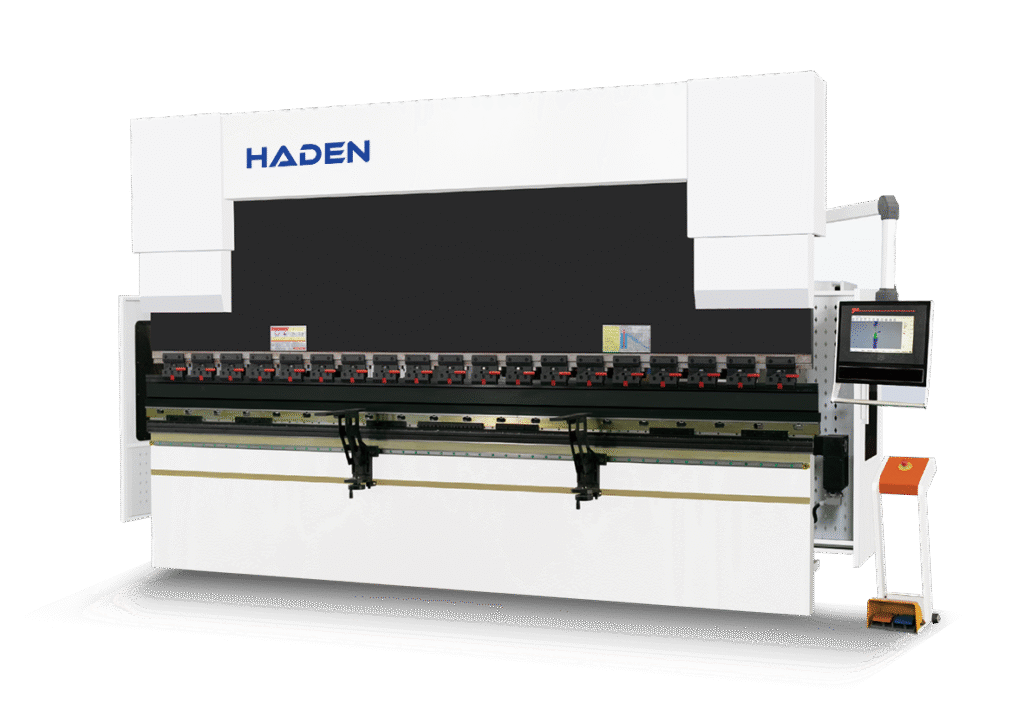
ইলেকট্রো-হাইড্রলিক সার্ভো প্রেস ব্রেকগুলো উভয় পাশে অপটিক্যাল স্কেল ব্যবহার করে স্লাইডের অবস্থান বাস্তব সময়ে সনাক্ত করে, এবং সার্ভো ভালভগুলো স্বতন্ত্রভাবে উভয় পাশের হাইড্রলিক সিলিন্ডারগুলোকে নিয়ন্ত্রণ করে। এর ফলে অত্যন্ত উচ্চ সমন্বয় নির্ভুলতা (±0.01 মিমি পর্যন্ত) অর্জিত হয়, যা অফ-সেন্টার লোডের অধীনেও সঠিক বাঁকন নিশ্চিত করে। অন্যদিকে, প্রচলিত টরশনাল অক্ষ সিঙ্ক্রোনাইজেশন যান্ত্রিক বলপূর্বক সিঙ্ক্রোনাইজেশনে নির্ভর করে, যার ফলে সঠিকতা কম হয় এবং স্লাইডের বিকৃতি কার্যকরভাবে ক্ষতিপূরণ করা যায় না। HADEN উচ্চ-নির্ভুলতার ইলেকট্রো-হাইড্রোলিক সার্ভো প্রেস ব্রেক সরবরাহে বিশেষজ্ঞ।.
A: প্রধান সুবিধাগুলি হল: 1) শক্তি সাশ্রয়, মোটর শুধুমাত্র বাঁকানোর সময় বিদ্যুৎ ব্যবহার করে, যা হাইড্রোলিক সিস্টেমের তুলনায় 50% এর বেশি শক্তি সাশ্রয় করে; 2) উচ্চ গতি ও উচ্চ দক্ষতা, চমৎকার ত্বরণ ও মন্থরণ কর্মক্ষমতা এবং সংক্ষিপ্ত কাজের চক্র; 3) উচ্চ নির্ভুলতা, হাইড্রোলিক তেলের তাপমাত্রা পরিবর্তনের কোনো প্রভাব নেই এবং অত্যন্ত উচ্চ পুনরাবৃত্তিযোগ্যতা; 4) পরিবেশ সংরক্ষণ, হাইড্রোলিক তেল ফাঁস হওয়ার কোনো ঝুঁকি নেই এবং কম শব্দ।.
এ: এটি প্রধানত স্থিতিশীল তিন-ফেজ শিল্পবিদ্যুৎ (সাধারণত ৩৮০ ভি/৫০ হার্জ) এবং শক্তপোক্ত লেভেলড কংক্রিট মেঝে প্রয়োজন, যাতে যন্ত্রপাতির ইনস্টলেশনের সঠিকতা ও স্থিতিশীলতা নিশ্চিত হয়।.
A: আমরা সাধারণত স্ট্যান্ডার্ড বেন্ডিং মেশিন মজুদ রাখি এবং সেগুলো ১৫–২০ কর্মদিবসের মধ্যে সরবরাহ করতে পারি। বিশেষ কাস্টমাইজেশন প্রয়োজন এমন মডেলগুলির ক্ষেত্রে ডেলিভারির সময় নির্দিষ্ট কনফিগারেশনের উপর নির্ভর করবে।.
হ্যাঁ, সরঞ্জাম ইনস্টলেশন এবং কমিশনিংয়ের সময় আমাদের প্রকৌশলীরা আপনার অপারেটরদের জন্য ব্যাপক প্রশিক্ষণ প্রদান করবেন, যার মধ্যে রয়েছে সরঞ্জাম পরিচালনা, প্রোগ্রামিং, মোল্ড পরিবর্তন, নিরাপত্তা প্রক্রিয়া এবং নিয়মিত রক্ষণাবেক্ষণ।.
A: বিচ্যুতি ক্ষতিপূরণ ব্যবস্থা বাঁকানোর প্রক্রিয়ায় সৃষ্ট বলের কারণে স্লাইড ও ওয়ার্কটেবলের সামান্য বিকৃতিকে নিরসন করার জন্য ডিজাইন করা হয়েছে। ক্ষতিপূরণ ছাড়া বাঁকা কাজের অংশের কেন্দ্রীয় কোণ অনেক বড় হবে। HADEN-এর প্রেস ব্রেকগুলো স্ট্যান্ডার্ড হিসেবে হাইড্রোলিক স্বয়ংক্রিয় বিচ্যুতি ক্ষতিপূরণ ব্যবস্থা অথবা যান্ত্রিক ক্ষতিপূরণ ব্যবস্থা দ্বারা সজ্জিত। এই ব্যবস্থা ওয়ার্কটেবলের উচ্চতা পূর্বেই বাড়িয়ে দেয়, যাতে পুরো বাঁক জুড়ে একটি সামঞ্জস্যপূর্ণ কোণ নিশ্চিত হয়।.
A: আমাদের ব্যাকগেজগুলো সার্ভো মোটর দ্বারা চালিত উচ্চ-নির্ভুলতার বল স্ক্রু এবং লিনিয়ার গাইড ব্যবহার করে। স্ট্যান্ডার্ড কনফিগারেশনে X-অক্ষ (সামনে ও পিছনে) এবং R-অক্ষ (উপর ও নিচে) অন্তর্ভুক্ত। বিকল্প Z1/Z2 অক্ষ (স্বতন্ত্র বাম ও ডান দিকে চলাচল) এবং আরও জটিল বহুমুখী ব্যাকগেজ (যেমন X1/X2, R1/R2 ইত্যাদি) জটিল কাজের টুকরোগুলোর অবস্থান নির্ধারণের চাহিদা মেটাতে উপলব্ধ।.
A: আমাদের ছাঁচগুলি উচ্চ-শক্তির টুল স্টিল (যেমন 42CrMo) দিয়ে তৈরি এবং সম্পূর্ণ তাপ-চিকিৎসা ও সূক্ষ্ম ঘষাই প্রক্রিয়ার মধ্য দিয়ে যায়, যার ফলে অত্যন্ত উচ্চ কঠোরতা ও পরিধান প্রতিরোধ ক্ষমতা নিশ্চিত হয়। আপনি যে ছাঁচটি বেছে নেবেন তা আপনার পণ্যের উপর নির্ভর করে: উপরের ডাই (ফোল্ডিং ছুরি) এর আকৃতি ও কোণ বাঁকানোর কোণ নির্ধারণ করে, আর নিচের ডাইয়ের V-গলাখাতের প্রস্থ সরাসরি বাঁকানোর ব্যাসার্ধ এবং প্রয়োজনীয় টনেজ প্রভাবিত করে।.
এ: একটি দ্রুত ক্ল্যাম্পিং ডিভাইস হল উপরের ছাঁচ দ্রুত পরিবর্তন ও সুরক্ষিত করার একটি ব্যবস্থা। প্রচলিত বোল্ট ফাস্টেনিংয়ের তুলনায়, এটি হ্যান্ডেল বা বোতাম দিয়ে ছাঁচ দ্রুত লক বা মুক্তি দিতে পারে, ফলে ছাঁচ পরিবর্তনের সময় ব্যাপকভাবে কমে যায়। এটি বিশেষভাবে ছোট ব্যাচের, উচ্চ-বৈচিত্র্যময় উৎপাদন মডেলের জন্য উপযোগী।.
উত্তর: HADEN বেন্ডিং মেশিনের সিলিন্ডারের অভ্যন্তরীণ প্রাচীরটি উচ্চ পৃষ্ঠ সমাপ্তি অর্জনের জন্য নিখুঁতভাবে রোল বা হোন করা হয়েছে; সীলগুলো আন্তর্জাতিক খ্যাতিসম্পন্ন ব্র্যান্ড (যেমন জার্মানির BOSCH-REXROTH বা জাপানের NOK) থেকে নেওয়া হয়েছে, যাতে উচ্চ চাপ এবং স্থিতিশীল চাপে তেল ফাঁস ছাড়াই দীর্ঘমেয়াদী ব্যবহার নিশ্চিত হয়।.
গ্র্যাটিং ruler হল ইলেকট্রো-হাইড্রলিক সার্ভো বেন্ডিং মেশিনের “চোখ”। এটি মেশিনের দুই পাশে ইনস্টল করা থাকে, স্লাইডারের অবস্থান কর্মবেঞ্চের সাপেক্ষে বাস্তব সময়ে এবং উচ্চ নির্ভুলতার সাথে পরিমাপ করে এবং সিগন্যালটি CNC সিস্টেমে ফেরত পাঠিয়ে একটি বন্ধ-লুপ নিয়ন্ত্রণ গঠন করে, যার ফলে স্লাইডারের সিঙ্ক্রোনাইজেশন নির্ভুলতা এবং বেন্ডিং কোণের নির্ভুলতা নিশ্চিত হয়।.
A: সার্ভো মোটর হল এমন একটি মোটর যা অবস্থান, গতি এবং টর্ক সঠিকভাবে নিয়ন্ত্রণ করতে পারে। প্রেস ব্রেকে এটি ব্যাক গেজ শ্যাফট এবং প্রধান তেল পাম্প চালানোর জন্য ব্যবহৃত হয়। এর প্রতিক্রিয়া গতি দ্রুত, অবস্থান নির্ধারণ সঠিক এবং শক্তি খরচ কম।.
এ: এটা জটিল নয়। আধুনিক সিএনসি সিস্টেমগুলো সবই গ্রাফিক্যাল প্রোগ্রামিং ইন্টারফেস অফার করে। আপনি শুধু শীটের পুরুত্ব, উপাদান, দৈর্ঘ্য এবং কাঙ্ক্ষিত কোণ ও মাত্রাগুলো প্রবেশ করান। সিস্টেম স্বয়ংক্রিয়ভাবে বাঁকানোর চাপ, ব্যাকগেজ অবস্থান এবং ক্ষতিপূরণ ইত্যাদি পরামিতি হিসাব করে। এটি বাঁকানোর ক্রম এবং হস্তক্ষেপ পরীক্ষা করার জন্য 2D বা 3D সিমুলেশনও চালাতে পারে।.
উত্তর: প্রসারিত দৈর্ঘ্য বলতে বোঝায় একটি ভাঁজ করা অংশকে “প্রসারিত” করে সমতলে ফেরত আনলে যে দৈর্ঘ্য পাওয়া যায়। বাস্তব উৎপাদনে, প্রথমে পার্টসের অঙ্কন অনুযায়ী প্রসারিত দৈর্ঘ্য হিসাব করতে হয়, তারপর প্লেট থেকে সেই দৈর্ঘ্য অনুযায়ী কাটিং করে ভাঁজ করা হয়। সিএনসি সিস্টেমে সাধারণত সঠিক প্রসারিত দৈর্ঘ্য হিসাব করার সুবিধা অন্তর্নির্মিত থাকে।
A: নিরাপত্তা দূরত্ব হল সেই অবস্থান যেখানে ব্যাক গেজকে স্লাইডার নিচে নামার আগে সরতে হয়, যাতে কাজের টুকরোর সাথে সংঘর্ষ এড়ানো যায়। প্রত্যাহার দূরত্ব বলতে সেই দূরত্বকে বোঝায় যা বাঁকানোর প্রক্রিয়ায় ব্যাক গেজ পিছনে সরে যায়, যাতে কাজের টুকরো উল্টানোর জন্য পর্যাপ্ত স্থান থাকে।.
A: প্রোগ্রামিং করার সময় আপনাকে কেবলমাত্র লক্ষ্য কোণটি প্রয়োজনীয় মান (যেমন 120 ডিগ্রি বা 45 ডিগ্রি) হিসেবে প্রবেশ করাতে হবে, এবং সিস্টেম স্বয়ংক্রিয়ভাবে স্লাইডারের নিম্নগামী গভীরতা হিসাব করে বাঁকানোর কোণটি সঠিকভাবে নিয়ন্ত্রণ করবে। এটিকে “ফ্রি বেন্ডিং” বা “এয়ারে বেন্ডিং” বলা হয়।.
উত্তর: এটি একটি বিশেষ বাঁকানোর প্রক্রিয়া, যা সাধারণত দুই ধাপে সম্পন্ন হয়: প্রথমে ধারালো ছুরি ব্যবহার করে একটি ছোট কোণ (যেমন ৩০ ডিগ্রি) বাঁকানো হয়, তারপর ছাঁচ বা কর্মস্থল পরিবর্তন করে সমতলকরণ ডাই ব্যবহার করে সেই ছোট কোণটিকে সম্পূর্ণরূপে চেপে একটি সমতল দ্বিস্তরীয় বোর্ডে রূপান্তর করা হয়।.
A: হ্যাঁ, ভারী বা বড় শীটের জন্য আমরা সামনের সাপোর্ট বা ফলোয়ার সাপোর্ট ব্যবহারের পরামর্শ দিই। ফলোয়ার সাপোর্টকে বেন্ডিং প্রক্রিয়ার সময় শীটের সাথে সমন্বিতভাবে উত্তোলন করা যায়, যা সাপোর্ট প্রদান করে, শ্রম সাশ্রয় করে, শীটে আঁচড় পড়া প্রতিরোধ করে এবং বেন্ডিংয়ের সঠিকতা নিশ্চিত করে।.
A: প্রোগ্রামগুলো সরাসরি CNC সিস্টেমের হার্ড ড্রাইভে সংরক্ষণ করা যায় অথবা USB বা নেটওয়ার্ক সংযোগের মাধ্যমে আমদানি ও রপ্তানি করা যায়। আপনি যে কোনো সময় সহজে অ্যাক্সেসের জন্য আপনার প্রোগ্রাম লাইব্রেরি পার্ট নম্বর বা গ্রাহকের নাম অনুযায়ী সাজিয়ে রাখতে পারেন।.
A: আমাদের সরঞ্জামে একাধিক নিরাপত্তা সুরক্ষা ব্যবস্থা রয়েছে: দুই-হাত অপারেশন বাটন, জরুরি স্টপ বাটন, সামনের ও পেছনের দরজায় পাওয়ার-অফ সুরক্ষা, এবং সবচেয়ে গুরুত্বপূর্ণ লেজার সেফটি প্রোটেকশন ডিভাইস বা লাইট কার্টেন, যা স্লাইডার দ্রুত নিচে নামার সময় অপারেটরের হাত এবং অন্যান্য বিদেশী বস্তু বিপজ্জনক অঞ্চলে প্রবেশ করলে তা সনাক্ত করে এবং অবিলম্বে স্লাইডারের গতি থামিয়ে দেয়।.
আমরা নং ৪৬ অ্যান্টি-ওয়্যার হাইড্রোলিক তেল ব্যবহারের পরামর্শ দিচ্ছি। প্রথম ২,০০০ ঘন্টা ব্যবহারের পর এটি প্রতিস্থাপন করার পরামর্শ দিচ্ছি, এবং এরপর প্রতি ৪,০০০–৬,০০০ অপারেটিং ঘন্টা বা বার্ষিক প্রতিস্থাপন করতে হবে, এবং একই সাথে তেল ট্যাংক পরিষ্কার করতে হবে।.
উত্তর: দৈনিক ক. তেলের স্তর পরীক্ষা করুন। খ. মেশিন এবং ছাঁচ পরিষ্কার করুন। গ. জরুরি স্টপ এবং নিরাপত্তা ডিভাইস পরীক্ষা করুন। সাপ্তাহিক ক. গুরুত্বপূর্ণ অংশের বোল্ট পরীক্ষা করে শক্ত করুন। খ. ব্যাক গেজের বল স্ক্রু এবং গাইড রেল পরিষ্কার করে লুব্রিকেন্ট লাগান।.
সম্ভাব্য কারণগুলো হল: 1) স্লাইডারের Y1 ও Y2 অক্ষের রেফারেন্স পয়েন্টগুলো পুনরায় ক্যালিব্রেট করতে হবে; 2) ছাঁচটি অসমভাবে পরিধান হয়েছে বা সঠিকভাবে ইনস্টল করা হয়নি; 3) শীটের পুরুত্ব অসম; 4) এক্সেন্ট্রিক বেন্ডিং মেশিনের ক্ষতিপূরণ ক্ষমতা অতিক্রম করেছে।.
A: আপনি CNC সিস্টেমের কোণ সংশোধন পৃষ্ঠায় সূক্ষ্ম সমন্বয় করতে পারেন। কেবল প্রকৃত বাঁকানোর কোণ পরিমাপ করে সিস্টেমে প্রবেশ করান, এবং সিস্টেম পরবর্তী বাঁকানোর গভীরতা স্বয়ংক্রিয়ভাবে সংশোধন করবে।.
A: প্রথমে পরীক্ষা করুন ব্যাক গেজ ফিংগার (লোকেটিং ব্লক) ঢিলা আছে কিনা। যদি না থাকে, তাহলে আপনাকে ব্যাক গেজ শ্যাফটের রেফারেন্স পয়েন্ট পুনরায় ক্যালিব্রেট করতে হতে পারে। যান্ত্রিকভাবে পরীক্ষা করুন টাইমিং বেল্ট অতিরিক্ত ঢিলা আছে কিনা বা বল স্ক্রু সংযোগ ঢিলা আছে কিনা।.
সম্ভাব্য কারণগুলির মধ্যে রয়েছে: ১) রিলিফ ভালভের সেটিং চাপ খুব কম; ২) তেল পাম্প পরিধানের কারণে ক্ষয়প্রাপ্ত; ৩) সিস্টেমে কোনো ফাঁস আছে; অথবা ৪) হাইড্রোলিক তেল খুব ময়লা, যার ফলে ভালভ আটকে যায়। সমস্যার সমাধানের জন্য অনুগ্রহ করে HADEN বিক্রয়োত্তর প্রকৌশলীর সাথে যোগাযোগ করুন।.
উত্তর: 1) অতিরিক্ত লোড এড়াতে সঠিক টননজ ব্যবহার করুন; 2) লোহার চিপস ও অন্যান্য ময়লা মোল্ডে আটকে পড়া থেকে রক্ষা করতে মোল্ডটি পরিষ্কার রাখুন; 3) সাধারণভাবে ব্যবহৃত দৈর্ঘ্যগুলোর জন্য স্থানীয় অতিরিক্ত ক্ষয় এড়াতে মোল্ডটি সেকশন ভাগে ব্যবহার করুন; 4) ব্যবহার না করার সময় মরিচা রোধক তেল প্রয়োগ করুন এবং সঠিকভাবে সংরক্ষণ করুন।.
A: মেশিনটি অবিলম্বে বন্ধ করুন এবং পরীক্ষা করুন। শব্দটি ঢিলা মোটর, তেল পাম্প বা কিছু যান্ত্রিক অংশের কারণে হতে পারে। তেল পাম্পের শোষণ নলিতে কোনো ফাঁস বা অপর্যাপ্ত হাইড্রোলিক তেল আছে কিনা পরীক্ষা করুন।.
এ: এটি একটি অটোমেশন সমাধান যা একটি শিল্প রোবটকে প্রেস ব্রেকের সাথে সংহত করে। রোবটটি স্বয়ংক্রিয়ভাবে লোডিং ও আনলোডিং, ওয়ার্কপিস পজিশনিং, ফ্লিপ করা এবং প্যালেটাইজিং-এর মতো কাজ সম্পাদন করতে পারে, যা ২৪ ঘণ্টা মানববিহীন উৎপাদন সম্ভব করে। HADEN একটি পরিপক্ক প্রেস ব্রেক অটোমেশন সেল প্রদান করে।.
A: হ্যাঁ। স্টেইনলেস স্টীল সাধারণ কার্বন স্টীলের তুলনায় বেশি শক্তিশালী এবং আরও টেকসই। অতএব, স্টেইনলেস স্টীল বাঁকার সময় আপনাকে: 1) কার্বন স্টীল বাঁকার তুলনায় প্রায় 50% বেশি টনরেট নির্বাচন করতে হবে; 2) ডাই-তে বড় V-নেক ব্যবহার করতে হবে; এবং 3) প্রোগ্রামিং করার সময় বড় কোণ সংশোধন সেট করতে হবে।.
এটি “স্টেপ বেন্ডিং” বা “মাল্টি-সেগমেন্ট বেন্ডিং” ফাংশনের মাধ্যমে অর্জন করা যায়। অর্থাৎ, একটি বড় বৃত্তকে অনেকগুলো ছোট সোজা রেখার বাঁকে ভেঙে, ক্রমাগত ছোট কোণ ও ছোট ধাপের বেন্ডিংয়ের মাধ্যমে অবশেষে এটিকে একটি মসৃণ বৃত্তে মানিয়ে নেওয়া হয়।.
A: হ্যাঁ, আমাদের সব CNC সিস্টেমের সাথে PC-ভিত্তিক অফলাইন প্রোগ্রামিং সফটওয়্যার আসে। ইঞ্জিনিয়াররা তাদের অফিসের কম্পিউটারে জটিল যন্ত্রাংশ প্রোগ্রাম ও সিমুলেট করতে পারেন এবং তারপর প্রোগ্রামটি শপ ফ্লোরের মেশিনে স্থানান্তর করতে পারেন, ফলে মূল্যবান মেশিনের সময় ব্যবহার করার প্রয়োজন পড়ে না।.
A: হ্যাঁ। আমাদের উচ্চমানের CNC সিস্টেমগুলি ইন্ডাস্ট্রি 4.0 মানদণ্ড সমর্থন করে এবং কারখানার লোকাল এরিয়া নেটওয়ার্কে সংযুক্ত হয়ে আপনার উৎপাদন ব্যবস্থাপনা সিস্টেমের সাথে ডেটা বিনিময় করতে পারে, যা দূর থেকে উৎপাদন কাজ ইস্যু করা এবং উৎপাদনের স্থিতি বাস্তব সময়ে পর্যবেক্ষণ করার সুবিধা প্রদান করে।.
এটি বাঁকানোর মেশিনে ইনস্টল করা একটি উচ্চ-নির্ভুলতার অনলাইন পরিমাপ যন্ত্র। এটি বাঁকানোর প্রক্রিয়ায় কাজের টুকরোর কোণ বাস্তব সময়ে পরিমাপ করতে পারে এবং সেই তথ্য CNC সিস্টেমে পাঠায়। সিস্টেমটি স্বয়ংক্রিয়ভাবে চাপ সামঞ্জস্য করে যাতে চূড়ান্ত কোণ সঠিক হয়। এটি বিশেষ করে উচ্চ-নির্ভুলতার প্রয়োগ বা অসমান উপাদান পুরুত্বের ক্ষেত্রে উপযুক্ত।.
A: হ্যাঁ। শীটের পৃষ্ঠে আঁচড় পড়া রোধ করতে, নন-মার্কিং বেন্ডিং ডাই (যেমন নাইলন ইনসার্টসহ V-আকৃতির ডাই) ব্যবহার করার পরামর্শ দেওয়া হয় অথবা সাধারণ ডাইয়ের উপর একটি বিশেষ নন-মার্কিং বেন্ডিং প্যাড বসান।.
A: আমরা পুরো মেশিনের জন্য দুই বছরের স্ট্যান্ডার্ড ওয়ারেন্টি প্রদান করি এবং হাইড্রোলিক ভালভ গ্রুপ ও মোটরসহ মূল উপাদানগুলির জন্য দীর্ঘমেয়াদী গুণগত নিশ্চয়তা প্রদান করি।.
এ: সম্পূর্ণ নিশ্চয়তা। আমরা বিক্রিত প্রতিটি যন্ত্রপাতির বিস্তারিত নথিপত্র সংরক্ষণ করি এবং পরিধানযোগ্য অংশ ও গুরুত্বপূর্ণ অতিরিক্ত যন্ত্রাংশের সব স্ট্যান্ডার্ড মডেল সর্বদা মজুদ রাখি, যাতে আমরা আপনার চাহিদার প্রতি দ্রুত সাড়া দিতে পারি।.
আপনি আমাদের ২৪-ঘণ্টা সার্ভিস হটলাইন, আমাদের অফিসিয়াল ওয়েবসাইটের অনলাইন গ্রাহক সেবা, অথবা আপনার এলাকার বিক্রয়/সেবা প্রকৌশলীর সাথে সরাসরি যোগাযোগ করতে পারেন।.
A: যদি প্রযুক্তিগত মূল্যায়ন সম্ভব হয়, আমরা আপনাকে সিএনসি সিস্টেম আপগ্রেড, নিরাপত্তা ডিভাইস ইনস্টলেশন এবং অটোমেশন রূপান্তরের মতো সেবা প্রদান করতে পারি।.
A: নেটওয়ার্ক সংযোগের মাধ্যমে আমাদের প্রকৌশলীরা আপনার বেন্ডিং মেশিনের CNC সিস্টেমে দূর থেকে প্রবেশাধিকার পেতে পারেন এবং ত্রুটি নির্ণয়, প্যারামিটার সামঞ্জস্য ও সফটওয়্যার আপডেট করতে পারেন, যা সমস্যার সমাধানের দক্ষতা ব্যাপকভাবে বৃদ্ধি করে।.
হ্যাঁ, আমরা সরঞ্জামের সাথে মানক ছাঁচ সরবরাহ করি, এবং আপনার পণ্যের অঙ্কন অনুযায়ী বিভিন্ন অ-মানক ও বিশেষ আকৃতির ছাঁচ ডিজাইন ও কাস্টমাইজ করতে পারি।.
হ্যাঁ, প্রতিটি ইউনিট সম্পূর্ণ ব্যবহারকারী ডকুমেন্টেশনের সেটের সাথে পাঠানো হয়, যার মধ্যে রয়েছে অপারেশন ম্যানুয়াল, রক্ষণাবেক্ষণ ম্যানুয়াল, হাইড্রলিক স্কিম্যাটিক্স এবং ইলেকট্রিক্যাল স্কিম্যাটিক্স।.
A: পেশাদার শীট মেটাল সরঞ্জাম প্রস্তুতকারক হিসেবে, বেন্ডিং মেশিনের পাশাপাশি আমরা লেজার কাটিং মেশিন ও শিয়ারিং মেশিনের মতো বিভিন্ন সরঞ্জামও সরবরাহ করি এবং আপনাকে সম্পূর্ণ শীট মেটাল প্রক্রিয়াকরণ সমাধান প্রদান করতে পারি।.
আপনি আপনার অঙ্কন এবং উপকরণগুলো আমাদের কারখানা বা প্রযুক্তি কেন্দ্রে পাঠাতে স্বাগত। আমরা আপনার জন্য বিনামূল্যে প্রুফিং পরীক্ষা পরিচালনা করব, যাতে আপনি নিজের চোখে আমাদের যন্ত্রের চমৎকার কর্মক্ষমতা প্রত্যক্ষ করতে পারেন।.
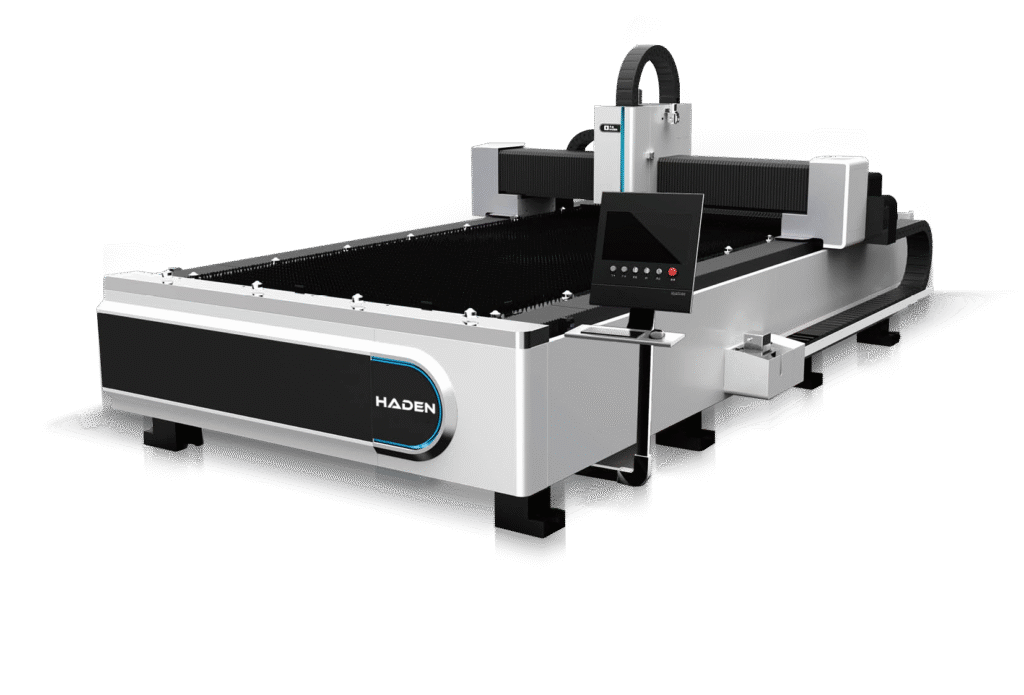
A: লেজার কাটিংয়ে উচ্চ-শক্তি-ঘনত্বের লেজার রশ্মি ব্যবহার করে কাজের বস্তুকে আলোকিত করা হয়, যার ফলে উপাদান দ্রুত গলে যায়, বাষ্পীভূত হয়, আব্লেট হয় বা দহন বিন্দুতে পৌঁছে। একই সময়ে রশ্মির সহঅক্ষীয় উচ্চ-গতির বায়ুপ্রবাহ গলিত উপাদান উড়িয়ে দিয়ে কাটন সম্পন্ন করে। এটি একটি উচ্চ-নির্ভুলতা ও উচ্চ-গতির কাটিং প্রক্রিয়া।.
A: আমাদের লেজার কাটিং মেশিনগুলি নিম্নলিখিতসহ বিভিন্ন ধরনের উপকরণে ব্যবহার করা যেতে পারে:
- ধাতু: স্টেইনলেস স্টীল, কার্বন স্টীল, অ্যালুমিনিয়াম অ্যালয়, ব্রাস, তামা, গ্যালভানাইজড স্টীল, কোল্ড-রোল্ড স্টীল ইত্যাদি।.
- অ-ধাতু: কিছু মডেল অ্যাক্রিলিক, কাঠ, চামড়া, কাপড় ইত্যাদি সমর্থন করে। (মডেল নম্বর নিশ্চিত করতে অনুগ্রহ করে আমাদের প্রযুক্তিবিদদের সাথে যোগাযোগ করুন).
A: HADEN লেজার কাটিং মেশিনগুলি নিম্নলিখিত মূল সুবিধা প্রদান করে:
- উচ্চ নির্ভুলতা: উচ্চ কাটিং নির্ভুলতা এবং মসৃণ কাট, যা গৌণ প্রক্রিয়াকরণের প্রয়োজনীয়তা দূর করে।.
- উচ্চ গতি: দ্রুত কাটার গতি এবং উচ্চ উৎপাদনশীলতা, প্রচলিত কাটার পদ্ধতির তুলনায় কয়েকগুণ দ্রুত।.
- সংযোগবিহীন প্রক্রিয়াকরণ: কাটার সময় কাজের টুকরোতে কোনো যান্ত্রিক চাপ বা বিকৃতি হয় না।.
- উচ্চ নমনীয়তা: যেকোনো জটিল নকশা, আকার যাই হোক না কেন, কাটতে সক্ষম।.
- উচ্চ উপাদান ব্যবহার: নেস্টিং সফটওয়্যারের সাথে সংযুক্ত করে উপাদানের সাশ্রয় সর্বাধিক করা হয়।.
A: সঠিক মডেল নির্বাচন প্রধানত আপনার প্রক্রিয়াকরণ চাহিদার উপর নির্ভর করে। আপনি নিম্নলিখিত বিষয়গুলো বিবেচনা করতে পারেন:
- প্রধান কাটিং উপকরণ এবং পুরুত্ব: এটি প্রয়োজনীয় লেজার শক্তি নির্ধারণ করবে।.
- প্রক্রিয়াকরণ ভলিউম: আপনার সাধারণ প্লেটের আকারের ভিত্তিতে উপযুক্ত মেশিনের আকার নির্বাচন করুন।.
- উৎপাদনশীলতার প্রয়োজনীয়তা: আপনি প্ল্যাটফর্ম পরিবর্তন এবং স্বয়ংক্রিয় লোডিং ও আনলোডিংয়ের মতো বৈশিষ্ট্যগুলি প্রয়োজন কিনা।.
- বাজেট: আমাদের বিক্রয় প্রকৌশলীরা আপনার বাজেটের ভিত্তিতে সবচেয়ে খরচ-সাশ্রয়ী সমাধান প্রদান করবেন।.
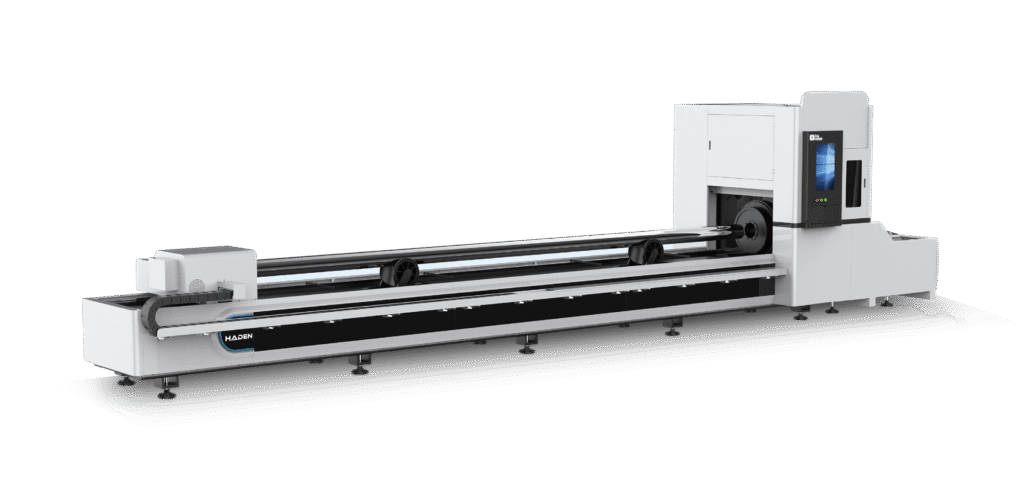
A: লেজার কাটিং মেশিনগুলো প্রধানত দুই-মাত্রিক সমতল শীট উপাদান কাটার জন্য ব্যবহৃত হয়, অন্যদিকে লেজার টিউব কাটিং মেশিনগুলো বিশেষভাবে গোলাকার, বর্গাকার, আয়তাকার এবং বিশেষ আকৃতির টিউব কাটার জন্য ডিজাইন করা হয়েছে। HADEN-এর টিউব কাটিং মেশিনগুলোতে বিশেষ চক এবং সাপোর্ট ডিভাইস রয়েছে, যা স্বয়ংক্রিয়ভাবে টিউব লোডিং, ঘূর্ণন এবং কাটিং সক্ষম করে।.
A: আমরা এক-স্টপ, টার্নকি সেবা প্রদান করি, যার মধ্যে রয়েছে:
- বিনামূল্যে প্রি-সেলস প্রুফিং এবং প্রযুক্তিগত পরামর্শ।.
- পেশাদার সরঞ্জাম পরিবহন, ইনস্টলেশন এবং কমিশনিং।.
- বিস্তৃত পরিচালনা ও রক্ষণাবেক্ষণ প্রশিক্ষণ।.
- দুই বছরের ওয়ারেন্টি এবং আজীবন প্রযুক্তিগত সহায়তা।.
- সময়মতো বিক্রয়োত্তর সাড়া এবং যন্ত্রাংশ সরবরাহ।.
A: HADEN একটি পেশাদার লেজার সরঞ্জাম প্রস্তুতকারী প্রতিষ্ঠান, যা গবেষণা ও উন্নয়ন, উৎপাদন, বিক্রয় এবং সেবা একীভূত করে। আমাদের নিজস্ব মূল প্রযুক্তি দল এবং উৎপাদন কেন্দ্র রয়েছে, যাতে আমরা আপনাকে সর্বোত্তম মানের পণ্য এবং সবচেয়ে সরাসরি সেবা প্রদান করতে পারি।.
A: অবশ্যই নয়। উচ্চতর শক্তি মোটা উপকরণ কাটার এবং দ্রুত গতি অর্জনের সুযোগ দেয়, তবে এটি সরঞ্জামের খরচ এবং শক্তি খরচও বাড়ায়। সঠিক শক্তি নির্বাচন আপনার সাধারণ মেশিনিং চাহিদার অন্তত ৯০১TP3T পূরণ করা উচিত, যাতে অতিরিক্ত শক্তি ব্যবহার বা অপর্যাপ্ত শক্তি উভয়ই এড়ানো যায়।.
A: আমরা সাধারণত স্ট্যান্ডার্ড লেজার কাটিং মেশিন মজুদ রাখি এবং সেগুলো তিন সপ্তাহের মধ্যে সরবরাহ করতে পারি। কাস্টমাইজড মডেল বা স্বয়ংক্রিয় উৎপাদন লাইনের ক্ষেত্রে, নির্দিষ্ট পরিকল্পনার ভিত্তিতে ডেলিভারি সময় আপনার সাথে নিশ্চিত করতে হবে।.
অবশ্যই। আমরা আপনাকে আপনার উপকরণগুলো মেইল করতে বা আমাদের প্রুফিং সেন্টারে আসতে স্বাগত জানাই। আমাদের প্রকৌশলীরা আপনার অঙ্কন ও চাহিদা অনুযায়ী বিনামূল্যে নমুনা প্রদান করবেন, যাতে আপনি নিজেই HADEN যন্ত্রপাতির উৎকৃষ্ট কাটার গুণমান প্রত্যক্ষ করতে পারেন।.
A: ফাইবার লেজার বর্তমানে প্রধানধারার লেজার কাটিং প্রযুক্তি। এগুলো অপটিক্যাল ফাইবারের মাধ্যমে লেজার আলো প্রেরণ করে এবং উচ্চ ইলেক্ট্রো-অপটিক্যাল রূপান্তর দক্ষতা, চমৎকার বিম গুণমান, দৃঢ় স্থিতিশীলতা এবং রক্ষণাবেক্ষণমুক্ত অপারেশনের মতো সুবিধা প্রদান করে। HADEN আন্তর্জাতিক খ্যাতিসম্পন্ন ফাইবার লেজার ব্যবহার করে, যার তাত্ত্বিক সেবা জীবন ১০০,০০০ ঘণ্টারও বেশি।.
A: হ্যাঁ। লেজার কাটিংয়ে সহায়ক গ্যাস দহনে সাহায্য করে, স্কেগ অপসারণ করে এবং লেন্সকে রক্ষা করে।.
- কার্বন ইস্পাত কাটার জন্য সাধারণত অক্সিজেন (O₂) ব্যবহার করা হয়, যা এর অক্সিডেশন বিক্রিয়া ব্যবহার করে অতিরিক্ত তাপ প্রদান করে এবং কাটার দক্ষতা উন্নত করে।.
- স্টেইনলেস স্টীল এবং অ্যালুমিনিয়াম অ্যালয় কাটার জন্য সাধারণত অক্সিডেশন প্রতিরোধ করতে এবং উজ্জ্বল কাটার পৃষ্ঠ নিশ্চিত করতে নাইট্রোজেন (N₂) বা বায়ু প্রতিরক্ষামূলক গ্যাস হিসেবে ব্যবহৃত হয়।.
A: আমাদের যন্ত্রের অবস্থান নির্ভুলতা ±0.03 মিমি পর্যন্ত পৌঁছাতে পারে, এবং পুনরাবৃত্তিযোগ্যতা ±0.02 মিমি পর্যন্ত পৌঁছাতে পারে, যা অধিকাংশ সূক্ষ্ম যন্ত্রনির্মাণের চাহিদা পূরণে যথেষ্ট।.
A: সর্বোচ্চ অপারেটিং গতি (আইডল ট্রাভেল স্পিড) বলতে বোঝায় কাটিং না করার সময় লেজার হেড যত দ্রুত চলতে পারে, এবং এটি যন্ত্রের সামগ্রিক দক্ষতা নির্ধারণ করে। সর্বোচ্চ কাটিং গতি হল সেই সর্বোচ্চ গতি যা নির্দিষ্ট উপাদান ও পুরুত্বের জন্য কাটিংয়ের গুণমান নিশ্চিত করতে পারে। উভয়ই যন্ত্রের কর্মক্ষমতা পরিমাপের গুরুত্বপূর্ণ সূচক।.
উত্তর: HADEN-এর পেশাদার লেজার টিউব কাটিং মেশিন শুধুমাত্র প্রচলিত গোলাকার টিউব, বর্গাকার টিউব এবং আয়তাকার টিউবই কাটতে পারে না, বরং অ্যাঙ্গেল স্টীল, চ্যানেল স্টীল এবং অন্যান্য প্রোফাইলও প্রক্রিয়া করতে পারে, পাশাপাশি ৪৫-ডিগ্রি কোণ কাটিং, ছিদ্র খোলা এবং বক্র কাটার মতো জটিল প্রক্রিয়াও সম্পাদন করতে পারে।.
A: আমরা নিউমেটিক স্ব-কেন্দ্রিক চাক ব্যবহার করি, যা কোনো ম্যানুয়াল হস্তক্ষেপ ছাড়াই বিভিন্ন ব্যাসের পাইপ স্বয়ংক্রিয়ভাবে আঁটতে পারে। আঁটার বল বড় এবং স্থিতিশীল, যা পাতলা প্রাচীরযুক্ত পাইপ ক্ল্যাম্পের বিকৃতি রোধ করে এবং পাইপের স্বয়ংক্রিয় কেন্দ্রিকরণ নিশ্চিত করে।.
A: স্থিতিশীল অপারেশন নিশ্চিত করতে, ডিভাইসটি ধুলোবিহীন এবং তাপমাত্রা ও আর্দ্রতা স্থির এমন কর্মশালায় ইনস্টল করার পরামর্শ দেওয়া হয়। একটি স্থিতিশীল বিদ্যুৎ সরবরাহ (ভোল্টেজ ওঠানামা ±5% এর কম) এবং নির্ভরযোগ্য গ্রাউন্ডিংও অত্যন্ত গুরুত্বপূর্ণ।.
A: হ্যাঁ, আমরা ব্যাপক স্বয়ংক্রিয়ীকরণ সমাধান প্রদান করি, যার মধ্যে রয়েছে:
- প্লেট কাটিং: স্বয়ংক্রিয় লোডিং ও আনলোডিং হপার এবং বাছাই ইউনিটগুলিকে একত্রিত করে ২৪ ঘণ্টা মানববিহীন উৎপাদন সম্ভব করা যায়।.
- পাইপ কাটিং: সম্পূর্ণ স্বয়ংক্রিয় বা অর্ধ-স্বয়ংক্রিয় লোডিং র্যাক ইনস্টল করা যেতে পারে যাতে পাইপ প্রক্রিয়াকরণ অব্যাহত রাখা যায়।.
A: আমাদের মেশিনের বেড উচ্চ-শক্তিশালী ইস্পাত প্লেট দিয়ে ওয়েল্ড করা হয়েছে এবং ওয়েল্ডিংয়ের চাপ দূর করার জন্য উচ্চ তাপমাত্রায় অ্যানিলিং করা হয়েছে। এই গ্যান্ট্রি-স্টাইল কাঠামো অসাধারণ দৃঢ়তা ও স্থিতিশীলতা প্রদান করে, যা মেশিনকে উচ্চ গতিতেও স্থিতিশীল রাখে এবং দীর্ঘমেয়াদী কাটার সঠিকতা নিশ্চিত করে।.
A: আমরা একটি শিল্প-নেতৃস্থানীয় পেশাদার CNC সিস্টেম ব্যবহার করি, যার ব্যবহারকারী-বান্ধব ইন্টারফেস সহজেই ব্যবহারযোগ্য। এই সিস্টেমে বিভিন্ন উপকরণ ও পুরুত্বের জন্য কাটিং প্রক্রিয়ার একটি বিস্তৃত ডাটাবেস রয়েছে। অপারেটররা কেবল কাটিং শুরু করতে উপযুক্ত পরামিতি নির্বাচন করেন। আমরা আপনার কর্মচারীদের স্বতন্ত্রভাবে পরিচালনা করার জন্য সম্পূর্ণ বিনামূল্যে প্রশিক্ষণও প্রদান করি।.
A: অপারেটরদের HADEN বা আমাদের অনুমোদিত অংশীদারদের কাছ থেকে পেশাদার প্রশিক্ষণ গ্রহণ করতে হবে এবং তাদের পদে যোগদানের আগে মূল্যায়ন পাস করতে হবে। প্রশিক্ষণের বিষয়বস্তুতে রয়েছে সরঞ্জাম পরিচালনা, নিরাপত্তা বিধিমালা, দৈনন্দিন রক্ষণাবেক্ষণ ইত্যাদি।.
A: লেজার রশ্মি মানুষের চোখের জন্য অত্যন্ত ক্ষতিকর এবং সরাসরি দেখা উচিত নয়। আমাদের যন্ত্রপাতি সম্পূর্ণরূপে আবৃত সুরক্ষামূলক আবরণ এবং ইউরোপীয় CE মানদণ্ড পূরণকারী অপটিক্যাল সুরক্ষামূলক কাঁচ দিয়ে সজ্জিত, যা লেজার বিকিরণকে কার্যকরভাবে বিচ্ছিন্ন করে। অপারেশনের সময় বিশেষায়িত লেজার সুরক্ষা চশমা পরতে হবে।.
A: দৈনিক রক্ষণাবেক্ষণ খুবই সহজ এবং প্রধানত অন্তর্ভুক্ত:
- প্রতিদিন সুরক্ষামূলক লেন্সের পরিচ্ছন্নতা পরীক্ষা করুন এবং তা অবিলম্বে পরিষ্কার বা প্রতিস্থাপন করুন।.
- প্রতিদিন যন্ত্রের ভিতর ও বাইরে থেকে আবর্জনা ও ধুলো পরিষ্কার করুন।.
- সাপ্তাহিকভাবে গাইড রেল এবং র্যাকের লুব্রিকেশন পরীক্ষা করুন।.
- নিয়মিত চিলারের জলস্তর এবং তাপমাত্রা পরীক্ষা করুন।.
A: প্রধান পরিধানযোগ্য অংশগুলির মধ্যে রয়েছে সুরক্ষামূলক লেন্স, নোজল এবং সিরামিক রিং। এগুলি মানসম্মত আনুষাঙ্গিক। HADEN আপনাকে সাশ্রয়ী মূল্যের আসল স্পেয়ার পার্টস সরবরাহ করে। প্রতিস্থাপনের খরচ কম, এবং আমরা সবসময় সরবরাহ নিশ্চিত করতে এগুলি মজুদ রাখি।.
A: আপনাকে অপারেটিং সিস্টেমে শুধুমাত্র সংশ্লিষ্ট উপকরণ প্রকার এবং পুরুত্ব নির্বাচন বা প্রবেশ করাতে হবে, এবং সিস্টেম স্বয়ংক্রিয়ভাবে সর্বোত্তম কাটিং পরামিতি—যেমন শক্তি, গতি, গ্যাসের চাপ এবং ফোকাস অবস্থান ইত্যাদি—কল বা জেনারেট করবে, কোনো জটিল ম্যানুয়াল সমন্বয়ের প্রয়োজন ছাড়াই।.
A: আমাদের পাইপ কাটিং মেশিনে একাধিক সেট সার্ভো সাপোর্ট ডিভাইস রয়েছে, যা পাইপের দৈর্ঘ্য অনুযায়ী স্বয়ংক্রিয়ভাবে উপরে-নিচে উঠতে পারে, কাটিং প্রক্রিয়ার সময় সব সময় পাইপকে স্থিতিশীল সমর্থন প্রদান করে এবং নিজস্ব ভারীতার কারণে ঝুলে পড়া ও বিকৃতি কার্যকরভাবে প্রতিরোধ করে।.
A: হ্যাঁ। HADEN লেজার কাটিং মেশিনগুলো শিল্প উৎপাদনের জন্য ডিজাইন করা হয়েছে। এর মূল উপাদানগুলো সবই উচ্চমানের এবং অত্যন্ত স্থিতিশীল। একটি স্থিতিশীল কর্মশালা পরিবেশ এবং যথাযথ রক্ষণাবেক্ষণের সাথে মিলিয়ে, এগুলো ২৪ ঘণ্টা নিরবচ্ছিন্ন অপারেশনের চাহিদা সম্পূর্ণরূপে পূরণ করতে পারে।.
A: আমাদের সরঞ্জাম স্ট্যান্ডার্ড হিসেবে জোনভিত্তিক ধুলো অপসারণ ব্যবস্থায় সজ্জিত। বেডের অভ্যন্তরটি একাধিক জোনে বিভক্ত। প্রতিটি জোনের নিষ্কাশন ভেন্ট স্বয়ংক্রিয়ভাবে খুলে যাবে, কাটার ফলে উৎপন্ন ধুলো কার্যকরভাবে অপসারণ করে কর্মপরিবেশ পরিষ্কার রাখবে।.
A: চিলার হল লেজারের “এয়ার কন্ডিশনার,” যা লেজারের ধারাবাহিক ও স্থিতিশীল শক্তি উৎপাদন নিশ্চিত করতে স্থির-তাপমাত্রার শীতল জল সরবরাহ করে। যদি জলের তাপমাত্রা অস্বাভাবিক হয়, ডিভাইসটি স্বয়ংক্রিয়ভাবে অ্যালার্ম বাজাবে এবং লেজারকে রক্ষা করার জন্য কাজ বন্ধ করে দেবে।.
A: পেশাদার নেস্টিং সফটওয়্যার (যেমন CypCut)-এ স্বয়ংক্রিয় পথ অপ্টিমাইজেশন ফাংশন রয়েছে। এটি সবচেয়ে সংক্ষিপ্ত বায়ু পথ পরিকল্পনা করবে এবং “লিপফ্রগ” লিফটিং পদ্ধতি ব্যবহার করে লেজার হেডের অ-কাট সময় ব্যাপকভাবে কমিয়ে দেবে।.
A: চিন্তা করবেন না। প্রথমে প্রাথমিক সমস্যা সমাধানের জন্য আপনি আমাদের অপারেশন ও রক্ষণাবেক্ষণ ম্যানুয়ালটি দেখুন। যদি সমস্যাটি অব্যাহত থাকে, অনুগ্রহ করে অবিলম্বে আমাদের বিক্রয়োত্তর সেবা হটলাইনে যোগাযোগ করুন। আমাদের প্রকৌশলীরা ফোন বা রিমোট সহায়তার মাধ্যমে আপনাকে সমস্যার সমাধানে গাইড করবেন।.
A: আপনার মেরামতের অনুরোধ পাওয়ার পর, যদি সমস্যাটি দূর থেকে সমাধান করা না যায়, আমরা [24/48] ঘন্টার মধ্যে আপনার সাইটে একজন পেশাদার বিক্রয়োত্তর প্রকৌশলী পাঠানোর ব্যবস্থা করব, যিনি আপনার সমস্যাটি সমাধান করবেন।.
A: বার তৈরি হওয়ার অনেক কারণ আছে, সাধারণ কারণগুলির মধ্যে রয়েছে:
- ভুল ফোকাস অবস্থান।.
- কাটার গতি খুব দ্রুত বা খুব ধীর।.
- সহায়ক গ্যাসের চাপ বা বিশুদ্ধতা অপর্যাপ্ত।.
- নোজল বা লেন্সের দূষণ বা ক্ষতি। আমাদের প্রযুক্তিগত সহায়তা দল প্রতিটি সমস্যা সমাধান করতে আপনাকে সহায়তা করতে পারে।.
A: সাধারণত এটি লেজারের উৎপন্ন তাপের কারণে ঘটে। আপনি নাইট্রোজেন কাটিং ব্যবহার, কাটার গতি বৃদ্ধি বা মাইক্রো-সংযোগ প্রক্রিয়া ব্যবহার করে তাপ-প্রভাবিত অঞ্চলের পরিধি কমাতে এবং এভাবে বিকৃতি সমস্যা উন্নত করতে পারেন।.
A: ওয়ারেন্টি সময়কালে, আমরা মানবীয় কারণে নয় এমন যন্ত্রপাতি ত্রুটির জন্য বিনামূল্যে মেরামত এবং যন্ত্রাংশ প্রতিস্থাপন সেবা প্রদান করি। ওয়ারেন্টি সময়কালের পরে, আমরা শুধুমাত্র খরচই আদায় করি এবং আজীবন প্রযুক্তিগত সহায়তা প্রদানের প্রতিশ্রুতি দিই।.
এ: সম্পূর্ণ পেশাদার। প্রতিটি HADEN বিক্রয়োত্তর ইঞ্জিনিয়ার কঠোর তাত্ত্বিক ও ব্যবহারিক প্রশিক্ষণ গ্রহণ করেছেন, সরঞ্জাম ইনস্টলেশন, কমিশনিং এবং রক্ষণাবেক্ষণে ব্যাপক অভিজ্ঞতা অর্জন করেছেন এবং যোগ্যতার সনদপত্রধারী।.
A: আমাদের চীনে একটি বৃহৎ যন্ত্রাংশ গুদাম রয়েছে, যেখানে সাধারণভাবে ব্যবহৃত যন্ত্রাংশের পর্যাপ্ত মজুদ আছে। মূল উপাদানগুলির জন্য, আমরা সরবরাহকারীদের সাথে কৌশলগত অংশীদারিত্ব স্থাপন করেছি, যাতে আপনার প্রয়োজনের সময় দ্রুত সাড়া দিতে পারি।.
A: হ্যাঁ। আমরা সময়ে সময়ে সফটওয়্যারের অপ্টিমাইজড ও আপগ্রেড করা সংস্করণগুলো প্রকাশ করব। ওয়ারেন্টি সময়কালে, আমরা বিনামূল্যে সফটওয়্যার আপগ্রেড সেবা প্রদান করি যাতে আপনার ডিভাইস সবসময় সর্বোত্তম কর্মক্ষমতায় থাকে।.
A: এটি হতে পারে অ-গোলাকার টিউব, ফোকাস শিফট বা পাওয়ার হ্রাসের কারণে। আপনি চাক ক্ল্যাম্পিং পরীক্ষা করতে পারেন, কেন্দ্র পুনরায় ক্যালিব্রেট করতে পারেন অথবা লেজারের আউটপুট পাওয়ার পরীক্ষা করতে পারেন। আমাদের ইঞ্জিনিয়াররা রিমোট ডায়াগনস্টিকেও আপনাকে সহায়তা করতে পারে।.
A: হঠাৎ বিদ্যুৎ বিভ্রাট চলমান কাটার কাজ বাধাগ্রস্ত করতে পারে, তবে হার্ডওয়্যারের ওপর এর প্রভাব খুবই কম। আমাদের যন্ত্রপাতিতে ব্রেকপয়েন্ট রিজিউম ফাংশন রয়েছে। বিদ্যুৎ পুনরায় চালু হলে এটি বাধাগ্রস্ত হওয়া অবস্থান থেকে কাটিং চালিয়ে যাবে, ফলে উপকরণ অপচয় কমে যায়।.
A: আমাদের মূল প্রতিযোগিতামূলক শক্তি হল গুণমানের প্রতি আমাদের অটল অঙ্গীকার এবং গ্রাহকের চাহিদার গভীর উপলব্ধি। আমরা স্বাধীন গবেষণা ও উন্নয়নে অবিচল থাকি, মূল প্রযুক্তিগুলোতে দক্ষতা অর্জন করি এবং বিক্রয়-পূর্ব পরামর্শ থেকে বিক্রয়োত্তর সহায়তা পর্যন্ত গ্রাহকদের পূর্ণ জীবনচক্র সেবা প্রদান করি।.
উত্তর: বছরের উন্নয়নের পর, HADEN লেজার বুদ্ধিমান যন্ত্রপাতির অন্যতম শীর্ষস্থানীয় দেশীয় প্রস্তুতকারক হয়ে উঠেছে। আমাদের পণ্য দেশ-বিদেশে বিক্রি হয়, এবং আমাদের বিস্তৃত গ্রাহকভিত্তি ও বিভিন্ন শিল্পে ভালো বাজার সুনাম রয়েছে।.
A: আপনি নিম্নলিখিত পদ্ধতিগুলির মাধ্যমে আমাদের সাথে যোগাযোগ করতে পারেন:
- অফিসিয়াল ওয়েবসাইট: www.hadenmachine.com
- জাতীয় গ্রাহক সেবা হটলাইন: +৮৬-১৩৭২১২২৩৬৪৯৬
- আমাদের সাথে অনলাইনে যোগাযোগ করুন অথবা আমাদের ওয়েবসাইটে একটি বার্তা রেখে যান।.
A: হ্যাঁ, আমরা প্রতি বছর দেশ-বিদেশের প্রধান ধাতু প্রক্রিয়াকরণ ও লেজার শিল্প প্রদর্শনীগুলোতে সক্রিয়ভাবে অংশগ্রহণ করি, যেমন বেইজিং মেশিন টুল এক্সিবিশন, শাংহাই ইন্ডাস্ট্রিয়াল এক্সপো, ইন্দোনেশিয়া ইন্টারন্যাশনাল মেশিন টুল এক্সিবিশন, বাংলাদেশ ঢাকা মেশিনারি এক্সিবিশন ইত্যাদি। আপনার ধারণাগুলো নিয়ে আলোচনা করার জন্য আমাদের বুথে আসার জন্য আপনাকে স্বাগত।.
A: আমাদের সমস্ত সরঞ্জাম ডিজাইন ও উৎপাদন প্রক্রিয়ায় আন্তর্জাতিক নিরাপত্তা মানদণ্ড কঠোরভাবে মেনে চলে এবং ISO9001 মানের ব্যবস্থাপনা সিস্টেম সার্টিফিকেশন ও EU CE সার্টিফিকেশন অর্জন করেছে।.
A: লেজার কাটিং মেশিন এবং লেজার টিউব কাটিং মেশিনের পাশাপাশি, আমরা লেজার ওয়েল্ডিং মেশিন, লেজার মার্কিং মেশিন এবং সংশ্লিষ্ট অটোমেশন সমাধানও প্রদান করি, এবং আমাদের গ্রাহকদের জন্য বুদ্ধিমান ধাতু প্রক্রিয়াকরণ কর্মশালা তৈরি করতে প্রতিশ্রুতিবদ্ধ।.
A: HADEN বেছে নেওয়া আপনাকে শুধুমাত্র একটি উচ্চমানের মেশিনই দেয় না, বরং একজন বিশ্বস্ত অংশীদারও প্রদান করে। আমরা গ্রাহক-কেন্দ্রিক, আপনাকে সফল হতে সাহায্য করার জন্য কাস্টমাইজড সমাধান, নির্ভরযোগ্য পণ্যের গুণমান এবং ঝামেলামুক্ত বিক্রয়োত্তর সেবা প্রদান করি।.
হ্যাঁ, আমরা গ্রাহকদের বিনামূল্যে অন-সাইট প্রশিক্ষণ প্রদান করি, যেখানে অংশগ্রহণকারীর সংখ্যায় কোনো সীমা নেই, যতক্ষণ না আপনার অপারেটররা সম্পূর্ণ স্বতন্ত্রভাবে এবং নিরাপদে সরঞ্জাম পরিচালনা করতে সক্ষম হয়।.
A: আমাদের ভিশন হল লেজার অ্যাপ্লিকেশন সমাধানের একটি শীর্ষস্থানীয় বৈশ্বিক প্রদানকারী হয়ে ওঠা, বুদ্ধিমান উৎপাদন দিয়ে বিশ্বকে পরিবর্তন করা, এবং আমাদের গ্রাহকদের জন্য সর্বোচ্চ মূল্য সৃষ্টি করা।.
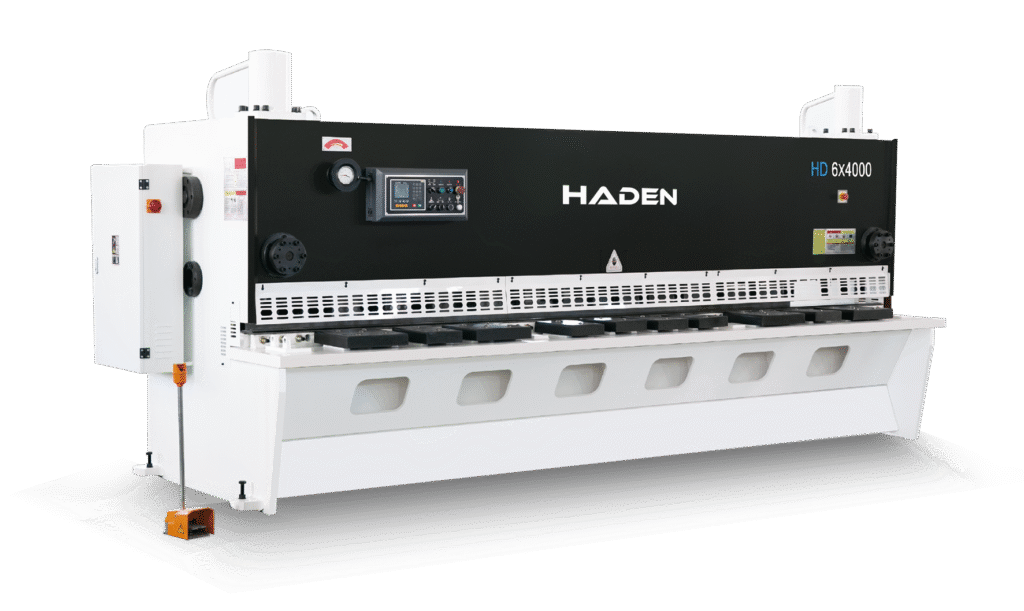
A: শিয়ারিং মেশিন হল একটি যান্ত্রিক যন্ত্র যা উপরের এবং নিচের ব্লেডের আপেক্ষিক গতি দ্বারা ধাতব শীটে শিয়ার বল প্রয়োগ করে, শীটগুলোকে ভেঙে প্রয়োজনীয় আকারে পৃথক করে। এটি শীট মেটাল প্রক্রিয়াকরণের অন্যতম মৌলিক ও গুরুত্বপূর্ণ সরঞ্জাম, এবং প্রধানত ধাতব শীট সোজা রেখায় কাটার জন্য ব্যবহৃত হয়।.
A: আমরা প্রধানত দুটি সিরিজের হাইড্রোলিক গিলোটিন শিয়ার উৎপাদন করি: হাইড্রোলিক গিলোটিন শিয়ার এবং হাইড্রোলিক সুইং শিয়ার। গিলোটিন শিয়ারের কাটার নির্ভুলতা বেশি এবং বিভিন্ন পুরুত্বের প্লেট কাটার জন্য উপযুক্ত। সুইং শিয়ারের গঠন সহজ, অর্থনৈতিক ও টেকসই, এবং মাঝারি ও পাতলা প্লেট কাটার ক্ষেত্রে ব্যাপকভাবে ব্যবহৃত হয়।.
A: আপনাকে যে দুটি মূল পরামিতি নির্ধারণ করতে হবে তা হল সর্বোচ্চ শিয়ার পুরুত্ব এবং সর্বোচ্চ শিয়ার দৈর্ঘ্য। উদাহরণস্বরূপ, মডেল নম্বর QC12Y-6×3200 সহ একটি সুইং শিয়ার ৬ মিমি পুরু এবং ৩২০০ মিমি চওড়া কার্বন স্টীল প্লেট শিয়ার করতে পারে।.
A: পছন্দটি আপনার প্রক্রিয়াকরণ চাহিদার উপর নির্ভর করে। গ্যান্ট্রি শিয়ারের ব্লেড ক্যারেজ উলম্বভাবে এবং সরলরেখায় চলে, যা সামঞ্জস্যযোগ্য শিয়ার কোণ সম্ভব করে। এটি সমান ব্লেড ক্লিয়ারেন্স প্রদান করে, বিকৃতি কমায় এবং উচ্চতর নির্ভুলতা নিশ্চিত করে, যা বিশেষ করে মোটা প্লেট এবং স্টেইনলেস স্টীল কাটার জন্য উপযুক্ত। পেন্ডুলাম শিয়ারের ব্লেড ক্যারেজ একটি স্থির বিন্দুর চারপাশে বৃত্তাকার পথে দোলে, যার ফলে কাঠামো আরও মজবুত হয়। যদিও শিয়ার কোণ স্থির, এর নির্ভুলতা গ্যান্ট্রি শিয়ারের তুলনায় সামান্য কম, যা একটি আরও খরচ-সাশ্রয়ী সমাধান প্রদান করে এবং মাঝারি ও পাতলা প্লেটের ব্যাপক উৎপাদনের জন্য আদর্শ।.
A: CNC সিস্টেম (যেমন ESTUN E21S) দ্বারা সজ্জিত CNC শিয়ারিং মেশিনগুলি স্বয়ংক্রিয়ভাবে ব্যাকগেজ পজিশনিং, শিয়ার স্ট্রোক এবং শিয়ারিং সময় নিয়ন্ত্রণ করে। অপারেটর কেবলমাত্র কাঙ্ক্ষিত আকার ও পরিমাণ ইনপুট করলেই মেশিনটি স্বয়ংক্রিয়ভাবে, ধারাবাহিকভাবে এবং সঠিকভাবে শিয়ারিং প্রক্রিয়া সম্পন্ন করে, যা উৎপাদন দক্ষতা এবং প্রক্রিয়াকরণ নির্ভুলতা ব্যাপকভাবে উন্নত করে এবং ম্যানুয়াল অপারেশনের ওপর নির্ভরতা কমিয়ে দেয়।.
A: আমাদের স্ট্যান্ডার্ড কনফিগারেশনে অন্তর্ভুক্ত রয়েছে: প্রধান মেশিন, পূর্ব-ইনস্টল করা উপরের ও নিচের ব্লেডের একটি সেট, সামনের সাপোর্ট আর্ম, পিছনের স্টপ ডিভাইস, ফুট সুইচ, অপারেশন ম্যানুয়াল এবং রক্ষণাবেক্ষণ সরঞ্জামের একটি সেট।.
উত্তর: আমরা প্রধানত নানজিং ESTUN-এর E21S, E200PS এবং অন্যান্য বিশেষ শিয়ারিং মেশিনের CNC সিস্টেম ব্যবহার করি, পাশাপাশি নেদারল্যান্ডসের DELEM-এর DAC310, DAC360 এবং অন্যান্য উচ্চ-মানের কন্ট্রোলার ব্যবহার করি, যেগুলির কর্মক্ষমতা স্থিতিশীল এবং পরিচালনা সহজ।.
A: শিয়ারিং মেশিন অপারেশনের সময় আঘাত সৃষ্টি করে, তাই এটিকে মজবুত ও সমতল কংক্রিটের মেঝেতে ইনস্টল করতে হবে। আমরা একটি বিস্তারিত ফাউন্ডেশন অঙ্কন সরবরাহ করব, এবং আপনাকে শুধুমাত্র অঙ্কনের নির্দেশনা অনুযায়ী এটি প্রস্তুত করতে হবে। সাধারণত গভীর গর্ত খননের প্রয়োজন হয় না।.
আমরা পরিধান-বিরোধী হাইড্রোলিক তেল নং ৪৬ ব্যবহারের পরামর্শ দিচ্ছি। হাইড্রোলিক তেলকে পরিষ্কার এবং সঠিক তেলের স্তরে রাখা শিয়ারিং মেশিনের স্থিতিশীল অপারেশন নিশ্চিত করার মূল চাবিকাঠি।.
A: সরঞ্জামের নির্ভরযোগ্যতা ও স্থায়িত্ব নিশ্চিত করতে আমরা সিমেন্স বা শ্নাইডার-এর মতো আন্তর্জাতিকভাবে খ্যাতনামা ব্র্যান্ডের বৈদ্যুতিক উপাদান এবং বশ-রেক্সরথ বা মার্কিন যুক্তরাষ্ট্রের ভিকারের সমন্বিত হাইড্রোলিক ভালভ গ্রুপ ব্যবহার করি।.
A: ব্লেড ক্লিয়ারেন্স বলতে উপরের এবং নিচের ব্লেডের মধ্যে অনুভূমিক ফাঁককে বোঝায়। এই ফাঁকটি কাটার শীটের পুরুত্ব এবং উপাদানের ভিত্তিতে সঠিকভাবে সমন্বয় করতে হয়। খুব কম ক্লিয়ারেন্স ব্লেডের ক্ষয় বাড়িয়ে দিতে পারে এবং এমনকি ব্লেডকে ক্ষতিগ্রস্ত করতে পারে; খুব বেশি ক্লিয়ারেন্স কাটার পৃষ্ঠে গুরুতর বার এবং ছেঁড়া সৃষ্টি করতে পারে, যা কাজের অংশের গুণমানকে প্রভাবিত করে।.
A: আমাদের কাঁচিগুলোতে দ্রুত ব্লেড ফাঁক সমন্বয় করার একটি ব্যবস্থা রয়েছে। অপারেটর কেবল প্যানেলে থাকা স্কেল অনুযায়ী (বিভিন্ন প্লেট পুরুত্বের জন্য নির্ধারিত) হ্যান্ডহুইল ঘুরিয়ে ফাঁক দ্রুত ও সঠিকভাবে সমন্বয় করতে পারে, কোনো ফিলার গেজের প্রয়োজন ছাড়াই।.
A: শিয়ার কোণ বলতে উপরের এবং নিচের ব্লেডের মধ্যকার কোণকে বোঝায়। গিলোটিন শিয়ারে শিয়ার কোণ সমন্বয়যোগ্য। পাতলা প্লেট কাটার সময় ছোট শিয়ার কোণ বিকৃতি কমাতে সাহায্য করে; মোটা প্লেট কাটার সময় বড় শিয়ার কোণ প্রয়োজনীয় শিয়ার বল কার্যকরভাবে কমায়। সুইং শিয়ারে শিয়ার কোণ স্থির থাকে।.
ব্যাকগেজ শীট উপাদানটিকে সঠিকভাবে অবস্থান করানোর জন্য ব্যবহৃত হয়, যাতে কাটার কাজের অংশের প্রস্থ নির্ধারণ করা যায়। HADEN-এর CNC ব্যাকগেজ বল স্ক্রু এবং সার্ভো মোটর বা ভেরিয়েবল ফ্রিকোয়েন্সি মোটর দ্বারা চালিত, যা ±0.1 মিমি পুনরাবৃত্তি সহ দ্রুত ও সঠিক অবস্থান নিশ্চিত করে।.
A: কাটিং শুরু হওয়ার আগে, একটি সারির হোল্ডিং সিলিন্ডার নিচে চাপ দিয়ে ধাতব শীটটিকে কর্মবেঞ্চের বিরুদ্ধে দৃঢ়ভাবে চেপে ধরে। এটি কাটিংয়ের সময় শীট সরে যাওয়া বা উঠে যাওয়া প্রতিরোধ করে এবং মাত্রাগত সঠিকতা ও কার্যক্ষম নিরাপত্তার জন্য একটি গুরুত্বপূর্ণ বৈশিষ্ট্য।.
A: শিয়ারিং গতি মেশিনের মডেল এবং শিয়ার করা প্লেটের পুরুত্বের উপর নির্ভর করে। পাতলা প্লেট শিয়ার করার সময় স্ট্রোকের সংখ্যা বেশি হয়। উদাহরণস্বরূপ, একটি 6×3200 শিয়ারিং মেশিনের সাধারণত প্রতি মিনিটে 8–15টি স্ট্রোক হয়।.
এ: এটি একটি সহায়ক অবস্থান নির্ধারণের ফাংশন। ডিভাইসটি নিম্ন ব্লেডের ধারার অবস্থানে একটি স্পষ্ট আলো ও ছায়া রেখা প্রক্ষেপণ করে। অপারেটর প্লেটে হাতে আঁকা রেখাকে এই আলো ও ছায়া রেখার সাথে মিলিয়ে অ-মানক আকার বা অনিয়মিত আকৃতি কাটতে পারে।.
হ্যাঁ, আমাদের হাইড্রোলিক সিস্টেমে একটি রিলিফ ভালভ রয়েছে, যা একটি নিরাপত্তা চাপ মুক্তি ডিভাইস। যখন কাটার বল সিস্টেমের রেটেড চাপ অতিক্রম করে (উদাহরণস্বরূপ, খুব পুরু প্লেট কাটার সময়), তখন রিলিফ ভালভ স্বয়ংক্রিয়ভাবে খুলে যাবে এবং মেশিন ও হাইড্রোলিক সিস্টেমকে ক্ষতি থেকে রক্ষা করবে।.
A: কাটিং সম্পন্ন হওয়ার পর, টুল হোল্ডারকে দ্রুত উপরের ডেড সেন্টারে ফিরে আসতে হয়। এটি একটি অ্যাকিউমুলেটর (নাইট্রোজেন সিলিন্ডার) এর মাধ্যমে সম্পন্ন হয়, যা কাটিংয়ের সময় শক্তি সঞ্চয় করে এবং রিটার্ন স্ট্রোকের সময় তা মুক্তি দেয়, ফলে টুল হোল্ডারকে দ্রুত ও মসৃণভাবে উত্তোলন করা যায়।.
A: আমাদের ওয়ার্কবেঞ্চের পৃষ্ঠটি বল বেয়ারিং বা সাপোর্ট বল দিয়ে আবৃত, যা শীট ঢোকানোর সময় ঘর্ষণ উল্লেখযোগ্যভাবে কমিয়ে আনে, ফলে কাজটি শ্রমসাশ্রয়ী হয় এবং শীটের পৃষ্ঠে আঁচড় পড়া থেকে কার্যকরভাবে রক্ষা করে।.
A: আমাদের স্ট্যান্ডার্ড ব্লেডগুলো উচ্চমানের অ্যালয় টুল স্টিল, যেমন 6CrW2Si, Cr12MoV ইত্যাদি দিয়ে তৈরি। এই উপকরণগুলো কঠোর তাপ প্রক্রিয়াজাতকরণ প্রক্রিয়ার মধ্য দিয়ে গিয়েছে এবং এদের উচ্চ কঠোরতা, উচ্চ পরিধান প্রতিরোধ ক্ষমতা ও পর্যাপ্ত দৃঢ়তা রয়েছে।.
আমাদের ব্লেডগুলো সাধারণত আয়তাকার এবং চারটি একই ধরনের কাটিং এজ থাকে। যখন একটি এজ ক্ষয়ে যায়, তখন এটিকে ৯০ ডিগ্রি ঘুরিয়ে নতুন একটি এজ ব্যবহার করা যায়, যতক্ষণ না সব চারটি এজই ক্ষয়ে যায়, ফলে ব্লেডের আয়ু অনেক বেড়ে যায়।.
A: ব্লেডের আয়ু অনেকগুলো বিষয়ের ওপর নির্ভর করে, যেমন কাটার উপকরণ, এর পুরুত্ব, ব্যবহারের ঘনত্ব এবং ব্লেডের ফাঁক সঠিকভাবে সেট করা আছে কিনা। স্বাভাবিক ব্যবহারে, একটি ব্লেডের সেট প্রথম ধার দেওয়ার আগে হাজার হাজার টন কার্বন স্টীল কাটতে পারে।.
যখন আপনি লক্ষ্য করবেন যে প্লেটের বারগুলো কাটার পর উল্লেখযোগ্যভাবে বৃদ্ধি পেয়েছে, ক্রস-সেকশনের গুণমান কমে গেছে, অথবা কাটার সময় অস্বাভাবিকভাবে শব্দ বেড়ে গেছে এবং মেশিনটি যেন কষ্টে চলছে, তখন সাধারণত বোঝা যায় যে ব্লেডটি ধারহীন হয়ে গেছে এবং পেশাদার গ্রাইন্ডিংয়ের জন্য এটি ঘুরিয়ে দিতে বা সরিয়ে নিতে হবে।.
A: হ্যাঁ। তবে দয়া করে লক্ষ্য করুন যে স্টেইনলেস স্টীল কার্বন স্টীলের তুলনায় প্রায় 50% গুণ বেশি শক্তিশালী। অতএব, স্টেইনলেস স্টীলের কাটার সর্বোচ্চ পুরুত্ব কার্বন স্টীলের প্রায় অর্ধেক হওয়া উচিত। অ্যালুমিনিয়াম কাটার সময় সর্বোত্তম কাটিং পারফরম্যান্সের জন্য ব্লেডের ফাঁক ছোট মানের দিকে সামঞ্জস্য করা উচিত।.
A: হ্যাঁ, উচ্চ-শক্তির স্টেইনলেস স্টীল এবং পরিধান-প্রতিরোধী প্লেটের মতো বিশেষ উপকরণগুলির জন্য, আমরা H13K এবং LD-এর মতো উচ্চ-মানের উপকরণ দিয়ে তৈরি বিশেষ ব্লেড সরবরাহ করতে পারি, যেগুলির কঠোরতা এবং আঘাত প্রতিরোধ ক্ষমতা বেশি।.
A: যখন ১০ গুণ প্লেটের পুরুত্বের চেয়ে কম প্রস্থের সংকীর্ণ স্ট্রিপ শেয়ারিং করা হয়, তখন বিকৃতি ঘটার সম্ভাবনা থাকে। এটি শেয়ারিং প্রক্রিয়ার একটি ভৌত ঘটনা। আমাদের গিলোটিন শিয়্যার, যার শেয়ারিং কোণ সামঞ্জস্যযোগ্য, এই বিকৃতিকে আরও ভালোভাবে নিয়ন্ত্রণ ও হ্রাস করতে পারে।.
A: প্লেটের সামনের অংশ থেকে অবস্থান নির্ধারণ ও কাটার কাজ প্রয়োজন এমন কাজের শর্তে, সামনের গেজ অবস্থান নির্ধারণের রেফারেন্স প্রদান করতে পারে। এটি সাধারণত সামনের সাপোর্ট আর্ম-এ ইনস্টল করা হয় এবং সহজ আকার নির্ধারণের জন্য একটি স্কেল থাকে।.
A: গার্ডরেল একটি গুরুত্বপূর্ণ নিরাপত্তা ডিভাইস। এটি প্রেস সিলিন্ডারের সামনে ইনস্টল করা হয় যাতে অপারেটরের আঙুল বিপজ্জনক কাটার এলাকায় খুব কাছে যেতে না পারে।.
A: প্রেস সিলিন্ডারের চাপ অপর্যাপ্ত হতে পারে, অথবা প্রেসার ফুটের অ্যান্টি-স্লিপ প্যাড ক্ষয়ে যেতে পারে। আপনাকে হাইড্রোলিক সিস্টেমের চাপ পরীক্ষা করে নিশ্চিত করতে হবে যে প্রেসার ফুট শীটটিকে দৃঢ়ভাবে চাপতে সক্ষম।.
A: আমাদের শিয়ারিং মেশিনগুলো অত্যন্ত ব্যবহারকারী-বান্ধবভাবে ডিজাইন করা হয়েছে, বিশেষ করে CNC মডেলগুলো, যেগুলোর অপারেটিং ইন্টারফেস স্বজ্ঞাত। সাধারণত এক বা দুই দিনের অন-সাইট প্রশিক্ষণের পর অপারেটররা মৌলিক অপারেশন এবং দৈনন্দিন রক্ষণাবেক্ষণ সম্পূর্ণরূপে আয়ত্ত করতে পারে।.
উপরোক্ত গার্ডরেল এবং হাইড্রোলিক ওভারলোড সুরক্ষার পাশাপাশি, আমাদের সরঞ্জামে একটি জরুরি স্টপ বাটন, একটি ফুট সুইচ সেফটি কভার এবং বিদ্যুৎ ক্যাবিনেটের দরজা খোলা হলে পাওয়ার-অফ সুরক্ষাও রয়েছে, যাতে অপারেটরের নিরাপত্তা সম্পূর্ণরূপে নিশ্চিত হয়।.
A: প্রতিদিন মেশিন চালু করার আগে হাইড্রলিক তেলের স্তর পরীক্ষা করুন, ব্লেডে ফাটল আছে কিনা দেখুন, এবং সব অংশ সঠিকভাবে কাজ করছে কিনা নিশ্চিত করতে মেশিনটি কয়েকবার বিনা লোডে চালান। বর্জ্য পরিষ্কার করুন এবং মেশিনটি নিয়মিত মুছে রাখুন যাতে যন্ত্রপাতিগুলো পরিষ্কার থাকে।.
প্রথম ২০০০ ঘণ্টা ব্যবহারের পর হাইড্রোলিক তেল এবং ফিল্টার এলিমেন্ট প্রতিস্থাপন করার পরামর্শ দেওয়া হয়। এরপর, তেলের পরিচ্ছন্নতা এবং ব্যবহারের তীব্রতার ওপর নির্ভর করে বছরে একবার অথবা প্রতি ৪০০০–৬০০০ ঘণ্টা অন্তর এটি প্রতিস্থাপন করার পরামর্শ দেওয়া হয়।.
A: মেশিন সাধারণত ম্যানুয়াল বা স্বয়ংক্রিয় লুব্রিকেশন পাম্প দিয়ে সজ্জিত থাকে। গ্রীস সরঞ্জাম ম্যানুয়ালের নির্দেশনা অনুযায়ী ব্যাক গেজের গাইড রেল, লিড স্ক্রু এবং অন্যান্য গুরুত্বপূর্ণ অংশে নিয়মিতভাবে যোগ করতে হবে।.
A: মেশিনটি অবিলম্বে বন্ধ করুন এবং পরিদর্শন করুন। প্রথমে নিশ্চিত করুন ব্লেডের ফাঁক সঠিকভাবে সেট করা আছে কি না, তারপর ব্লেডে গুরুতর ক্ষয় বা চিপ আছে কি না পরীক্ষা করুন। অস্বাভাবিক শব্দ সাধারণত অতিরিক্ত ছেদন লোডের কারণে হয়।.
A: মেশিনের ভিতর ও বাইরে মুছে পরিষ্কার করুন, এবং ব্লেড, কাজের পৃষ্ঠ ও লিড স্ক্রুসহ অপ্রলিপ্ত ধাতব অংশগুলোতে মরিচা-বিরোধী তেলের একটি স্তর প্রয়োগ করুন। তারপর মেশিনটি ধুলো-ঢাকনা দিয়ে ঢেকে বিদ্যুৎ সরবরাহ বন্ধ করুন।.
A: আমরা আমাদের সমস্ত কাঁচিগুলির জন্য একটি মানক দুই বছরের ওয়ারেন্টি প্রদান করি।.
A: ব্লেডগুলো ব্যবহারযোগ্য অংশ এবং এদের স্বাভাবিক ক্ষয় ওয়ারেন্টিতে অন্তর্ভুক্ত নয়। তবে, যদি ব্লেডের উপাদান বা তাপ প্রক্রিয়াজাতকরণে ত্রুটির কারণে অকাল ক্ষয় ঘটে, আমরা ওয়ারেন্টি প্রদান করব।.
A: আমরা প্রতিশ্রুতি দিচ্ছি “২ ঘণ্টার প্রতিক্রিয়া, ২৪ ঘণ্টার অন-সাইট সেবা।” আমাদের বিক্রয়োত্তর সেবা দল প্রথমে ফোনে আপনাকে সমস্যার সমাধান করতে গাইড করবে। যদি অন-সাইট সেবা প্রয়োজন হয়, নির্দিষ্ট সময়ের মধ্যে ইঞ্জিনিয়ার পাঠানো হবে।.
A: হ্যাঁ, আমরা পেশাদার ব্লেড ধারালো করার সেবা দিতে পারি, অথবা আপনাকে একটি স্থানীয় যোগ্য পেশাদার ধারালো করার সংস্থার সুপারিশ করতে পারি।.
A: আপনাকে শুধুমাত্র যন্ত্রটির মডেল ও ফ্যাক্টরি সিরিয়াল নম্বর (সাধারণত মেশিনের নামপ্লেটে থাকে) দিতে হবে, তাহলে আমরা আপনার প্রয়োজনীয় যন্ত্রাংশগুলো সঠিকভাবে মিলিয়ে দিতে পারব।.
হ্যাঁ, যদি আপনার কারখানাকে স্থানান্তর করতে হয়, আমরা পেশাদার যন্ত্রপাতি বিচ্ছিন্নকরণ, পরিবহন নির্দেশিকা এবং পুনঃস্থাপন ও কমিশনিং সেবা প্রদান করতে পারি, যাতে নতুন স্থানে যন্ত্রপাতিগুলো সর্বোত্তম নির্ভুলতায় পুনঃস্থাপন করা যায়।.
অবশ্যই, কারখানা থেকে প্রেরিত প্রতিটি যন্ত্রের সাথে একটি সম্পূর্ণ প্রযুক্তিগত তথ্যসেট সংযুক্ত থাকবে, যার মধ্যে রয়েছে অপারেশন ম্যানুয়াল, বৈদ্যুতিক স্কিম্যাটিক, হাইড্রোলিক স্কিম্যাটিক এবং পরিধানযোগ্য যন্ত্রাংশের তালিকা।.
A: আমরা গ্রাহকদের সাথে দীর্ঘমেয়াদী সহযোগিতাকে অত্যন্ত গুরুত্ব দিই। যারা ইতিমধ্যেই আমাদের গ্রাহক এবং যারা আবার সরঞ্জাম ক্রয় করবেন বা নতুন গ্রাহক সুপারিশ করবেন, তারা বিশেষ প্রণোদনামূলক নীতিমালা উপভোগ করবেন।.
A: হ্যাঁ। আমরা শিয়ারিং মেশিনে স্বয়ংক্রিয় সামনের ফিডার, বায়ুসংক্রান্ত পিছনের সমর্থন এবং স্ক্র্যাপ কনভেয়র সংযুক্ত করতে পারি, যা এটিকে স্বয়ংক্রিয় শীট মেটাল উৎপাদন লাইনে নির্বিঘ্নে একীভূত হতে সক্ষম করে।.
A: অতিরিক্ত তেলের তাপমাত্রা ত্রুটিপূর্ণ কুলিং সিস্টেম (যদি থাকে), ময়লা হাইড্রোলিক তেল, অথবা মেশিন দীর্ঘ সময়ের জন্য অতিরিক্ত লোডে চলার কারণে হতে পারে। কুলার পরীক্ষা করুন এবং গরম পরিবেশে মেশিনের জন্য বায়ু বা জল শীতলীকরণ ব্যবস্থা স্থাপনের কথা বিবেচনা করুন।.
উদাহরণস্বরূপ E21S সিস্টেমকে ধরলে, এটি সর্বোচ্চ ৪০টি মেশিনিং প্রোগ্রাম সংরক্ষণ করতে পারে, প্রতিটি প্রোগ্রামে ২৫টি কাজের ধাপ থাকে, যা অধিকাংশ মেশিনিং চাহিদা পূরণ করার জন্য যথেষ্ট।.
A: হ্যাঁ, দীর্ঘ শীট কাটার সময় শিয়ার স্ট্রেসের কারণে শীট বাঁকা হয়ে ব্যাকগেজে আটকে পড়া রোধ করতে আমাদের CNC সিস্টেমে ব্যাকগেজ প্রত্যাহার ফাংশন রয়েছে। কাটিং শুরু হওয়ার আগে ব্যাকগেজ স্বয়ংক্রিয়ভাবে সামান্য দূরত্বে প্রত্যাহার হয়ে যায়।.
A: আমাদের অভিজ্ঞ সেলস ইঞ্জিনিয়াররা আপনার প্রক্রিয়াকরণ করার জন্য উপকরণ প্রকার, পুরুত্বের পরিসর, কাজের অংশের আকার এবং উৎপাদন ক্ষমতার চাহিদা সম্পর্কে বিস্তারিত ধারণা পেতে আপনার সাথে গভীর প্রযুক্তিগত আলোচনা করবেন। এরপর তারা আপনার বিনিয়োগের যথাযথতা নিশ্চিত করতে একটি বিস্তারিত প্রযুক্তিগত সমাধান এবং মেশিন মডেলের সুপারিশ প্রদান করবেন।.
আপনি যে উত্তরটি খুঁজছিলেন তা পাননি?
আমাদের নিবেদিত দলের সাথে যোগাযোগ করুন এবং আমরা আপনার সমস্যা সমাধান করতে সাহায্য করব।.
বিশ্বব্যাপী একীভূত বিক্রয় সেবা হটলাইন: +৮৬-১৩৭ ২১২৩ ৬৪৯৬
- হোম
- প্রায়শই জিজ্ঞাসিত প্রশ্নাবলী